
Pine wood: the essential wood
Pine is the wood of authentic simplicity. Light, airy, and honest, it conveys a sense of naturalness and calm, transforming any space into a serene refuge. Its soft tones, ranging from cream to honey, and its fine grain with small knots, tell the story of nature without artifice.
In natural pine furniture—such as shelves, side tables, or headboards—we find that essential beauty that never tires, that complements the space. Its visual lightness makes it ideal for Nordic and minimalist decor, where each piece breathes and allows light to pass through. Pine invites a slower, more conscious, and sustainable lifestyle. It is abundant, readily available, and fast-growing, making it a responsible choice for those seeking handcrafted and sustainable furniture without sacrificing design.
Perfect for bedrooms, relaxation areas, or family spaces, pine combines beautifully with linen, cotton, or wool fabrics, creating a warm and inviting interior design. Choosing pine means returning to the essential and the natural: simple, bright, and honest furniture that gently accompanies everyday life.
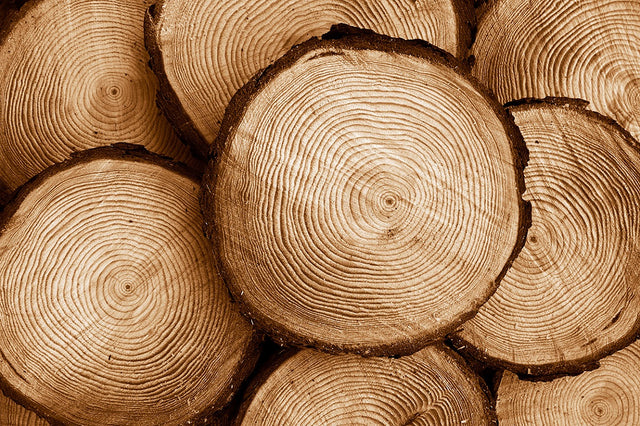
Aesthetics
Pine stands out for its natural luminosity : soft tones ranging from cream to light gold, with fine grain and knots that add character without overwhelming the space. It has a fresh and light feel, perfect for those seeking natural pine furniture in Nordic and minimalist spaces.
Light and soft tones: cream, pale yellows, warm beige; with straight or slightly wavy grain. Knots are a visual delight when well integrated, adding character without sacrificing lightness.
Delicate texture to the touch: pine wood has softer pores than hardwoods, which makes the surface soft and inviting when sanded or oiled.
Evolution over time: the tones of the pine can darken slightly upon contact with natural light, becoming more golden; if well maintained, the grain contrast improves over the years.
Endurance
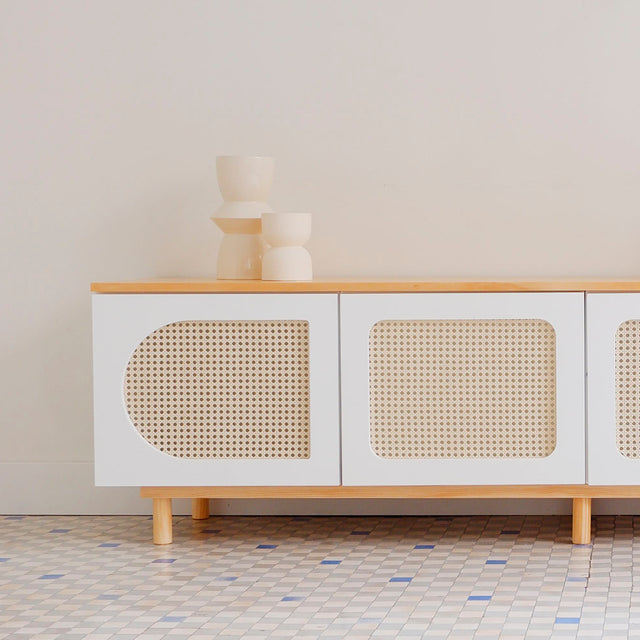
It's a soft but noble wood: easy to work, sand, and repair. Although it doesn't have the hardness of oak, it performs well in everyday furniture if protected with natural oils or varnishes. With proper care, its beauty will last for many years.
Outdoors or in humid environments, pine trees need protective treatments (impregnants, autoclave, sealants) to prevent deterioration from insects, humidity or fungi.
Dimensional stability: it shrinks when drying and swells with moisture. If drying is controlled, the resulting deformations are manageable. However, relative movements are usually greater than in hardwoods.

Sustainability
Pine is a readily available, abundant, and fast-growing resource, making it one of the most sustainable options. Choosing FSC or PEFC certified wood ensures low environmental impact and responsible consumption.
Circularity potential: easy to recover, repair, reuse; integrates well into modular furniture, demountable structures.
Finishes and treatments: more sustainable if water-based varnishes, natural oils, and phthalate- and non-toxic products are used; maintaining preventive maintenance to extend lifespan avoids frequent replacements.
What furniture or style does it apply to?
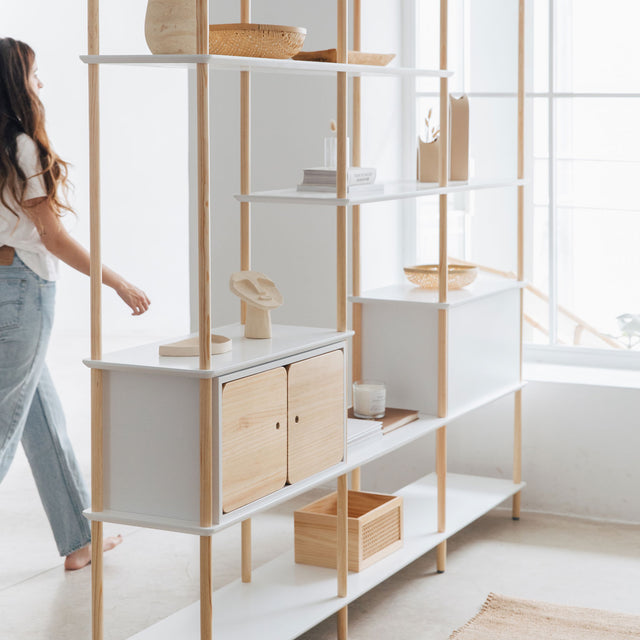
Nordic style / minimalist / slow living: light furniture such as side tables, open shelves, study furniture, furniture that allows for bright and airy spaces.
- Bedrooms, reading areas, intimate spaces: bedside tables, headboards, simple dressers; they bring warmth without overwhelming.
- Children's/youth furniture: due to its softness, friendly touch and clear visual appeal, pine is ideal for spaces that grow and change.
- Interior cladding / light paneling: friezes, wall coverings, pine slat ceilings, to give clear visual texture.
- Lightweight rustic furniture: benches, side tables, chairs; with a rustic yet soft style, not heavy; also fits with modern country style.
- Some outdoor applications if properly treated and protected: pergolas, planters, shaded outdoor details, protected patio furniture.
MATERIALES NATURALES
¿Pino macizo o contrachapado? Dos formas de trabajar la madera.
El pino macizo destaca por su textura natural, sus nudos y la calidez de la madera. El contrachapado de pino ofrece una estructura de capas cruzadas que favorece la estabilidad y permite crear superficies amplias. Conocer sus diferencias ayuda a elegir el material más adecuado para cada mueble.
| Característica | Pino macizo | Contrachapado de pino |
|---|---|---|
| Estética | Tono claro (crema a miel), veta natural con nudos visibles; aspecto orgánico y cálido. | Superficie homogénea; conserva el aspecto del pino pero con lectura visual más uniforme. |
| Veta y nudos | Nudos auténticos que aportan carácter; cada tabla es única. | Veta del enchapado; menos nudo marcado en la cara vista. |
| Estructura interna | Madera en una sola pieza o laminada en cantos. | Capas cruzadas (láminas) encoladas que proporcionan alta estabilidad. |
| Resistencia a deformación | Moderada; sensible a cambios de humedad si no se estabiliza. | Alta; minimiza alabeos y torsiones. |
| Resistencia al impacto | Blanda; se marca antes pero se repara fácilmente (lija y aceite). | Buena para su espesor y peso; la cara vista puede astillarse si se golpea en el canto. |
| Peso | Ligero-medio. | Ligero; muy buena relación rigidez/peso. |
| Trabajabilidad | Muy fácil de mecanizar, atornillar y reparar. | Corte limpio con sierra adecuada; admite tornillería y herrajes técnicos. |
| Bordes y cantos | Canto macizo noble; radios suaves agradables al tacto. | Necesita canto visto o canto chapado para un acabado continuo. |
| Acabados | Aceite, cera o barniz al agua resaltan la veta y los nudos. | Acepta lacas y aceites; cuidado con el lijado para no atravesar la chapa. |
| Sostenibilidad | Recurso cercano y de crecimiento rápido; priorizar madera certificada FSC/PEFC. | Permite aprovechar mejor el tronco y reducir desperdicios; también disponible con certificación FSC/PEFC. |
| Usos recomendados | Cabeceros, mesas auxiliares, estanterías ligeras y muebles infantiles. | Módulos, estanterías, escritorios, panelados y frentes planos. |
| Dónde evitar | Zonas de alto impacto sin protección; exterior sin tratamiento. | Cantos sin rematar en zonas de alto roce; ambientes muy húmedos sin sellar. |
| Perforaciones y tornillería | Agarre directo muy bueno. | Excelente agarre en capas; ideal para herrajes ocultos. |
| Estabilidad dimensional | Depende del secado y del ancho de la pieza. | Muy estable en grandes superficies. |
| Formatos habituales | Tablas, listones y tablero alistonado. | Tableros de 2440 × 1220 mm (y similares) en varios espesores. |
| Precio orientativo | Asequible. | Asequible; gran valor por su estabilidad. |
| Mantenimiento | Repaso fácil: lija fina y aceite o barniz al agua. | Mantenimiento sencillo; cuidar aristas y cantos. |
| Resumen | Esencial, natural y cálido para espacios nórdicos y slow. | Versátil, estable y ligero para diseño limpio y modular. |
Consejo Slowdeco: para frentes grandes y superficies donde la estabilidad sea prioritaria, elige contrachapado de pino. Para piezas donde quieras destacar la textura natural y el canto macizo, el pino macizo puede ser la mejor opción.