
How to clean fabric upholstered sofas, chairs and armchairs without damaging the fabric
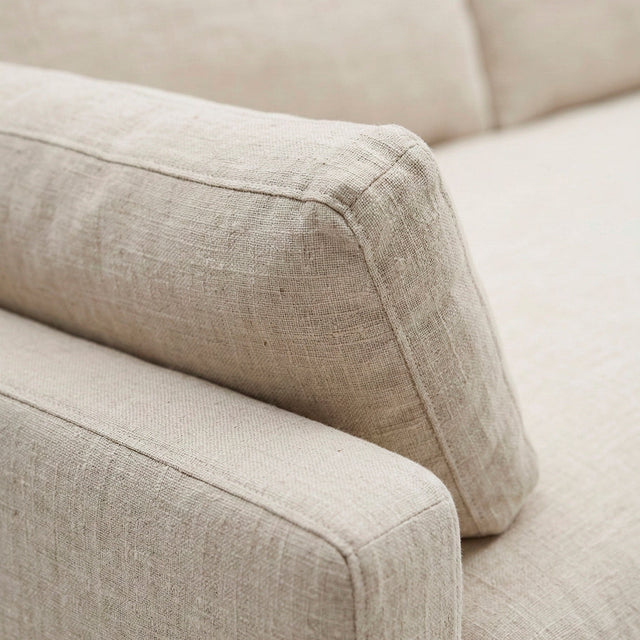
Few things are as frustrating as discovering a stain on your favorite armchair. That armchair where you read in the evenings, where your daughter has a snack after school, or where the cat has decided it's their territory. Upholstered furniture in fabric is a sure bet for warmth and comfort, but it requires specific care to ensure the fabric retains its texture, color, and that pleasant feel it had on day one. This guide gets straight to the point: what to do, what to avoid, and how to keep your upholstered pieces in perfect condition for years to come.

First of all: identify the fabric of your chair or armchair
Not all fabrics are cleaned the same way, and applying the wrong method can leave rings, discolor the fabric, or damage the fibers. The first step is to check the manufacturer's label, which is usually on the bottom of the seat or inside the cushion cover. Look for a letter code that will guide you to the correct method.
The letter W means you can use water. The letter S indicates that only solvents or dry cleaning are allowed. WS allows both methods. And if you find an X, the fabric only tolerates vacuuming or gentle brushing. Skipping these instructions is the most common mistake and the one that damages upholstery the most.
For natural fiber fabrics such as cotton, linen, or wool blends, water can cause shrinkage if it gets too wet. High-resistance technical fabrics usually allow for more cleaning options. Knowing your fabric is the step that makes the difference between a clean result and an irreversible disaster.
Maintenance cleaning: what you should do every week
The dirt that damages upholstery most is not individual stains, but the daily accumulation of dust, crumbs, hair, and particles that embed themselves between the fibers. This slow and silent deterioration dulls the color and stiffens the fabric over time.
Dedicating five minutes a week to basic maintenance significantly extends the life of any upholstery. There's no need to overcomplicate things.
- Vacuum with an upholstery nozzle at medium power, going over seams, folds, and the join between the seat and backrest, where the worst accumulates.
- Brush gently with a natural bristle brush in one direction to lift the fabric's nap and restore its original texture.
- Shake out removable cushions outdoors and rotate their position so that wear is even.
- Air out the piece whenever possible: opening windows and letting fresh air circulate eliminates odors trapped in the fibers.
- Avoid prolonged direct sun exposure. Intense sunlight discolors fabrics, especially natural and earthy tones.
This simple ritual is more effective than any occasional deep cleaning. Consistency always beats intensity.
How to deal with a fresh stain
Speed is your best ally. A stain treated in the first few minutes has a much higher chance of disappearing completely than one that has been sitting in the fiber for hours.
The golden rule: never rub. Rubbing spreads the stain, pushes the liquid deeper into the filling, and can distort the fabric's weave. Instead, blot with a clean cotton cloth or absorbent paper, applying pressure from the edge of the stain towards the center to prevent it from spreading.
For coffee, tea, or juice stains on fabrics that can be wet (W or WS code), mix a teaspoon of neutral soap—the classic kind, without perfume or dyes—in a glass of warm water. Dampen a clean cloth in this mixture, wring it out well, and dab gently. Then, wipe with another cloth dampened only in water to remove soap residue. Finish by blotting with a dry cloth and let the air do the rest.
For grease stains, sprinkle baking soda or cornstarch on the affected area and let it sit for at least twenty minutes. These powders absorb grease before it penetrates. Afterward, vacuum it up and assess if you need to repeat the process.
Deep cleaning without risks: the step-by-step method
Once or twice a year, a more thorough cleaning is advisable, especially for everyday pieces like dining chairs or the living room armchair. But thorough doesn't mean aggressive.
Step 1: Thoroughly vacuum the entire piece, including the back and base. Any remaining particles will turn into mud when wet.
Step 2: Prepare a gentle solution. For fabrics that can be wet, a mixture of warm water with a few drops of neutral soap works well. If you're looking for something with more deodorizing power, add a tablespoon of white vinegar per liter of water. The vinegar smell will completely dissipate as it dries.
Step 3: Always test on an inconspicuous area—the lower back or the inside of a pleat—and let it dry completely before assessing the result. Ten minutes of patience can save you a serious headache.
Step 4: Apply with a well-wrung microfiber cloth, working in sections and never soaking the fabric. Excessive moisture is the enemy of the inner filling: it can generate bad odors and encourage mold growth.
Step 5: Dry with natural ventilation. If you can place the piece near an open window or use a fan, even better. Avoid using a hot hairdryer, which can shrink certain fibers or stiffen the weave.
What you should never use on quality upholstery
Not all cleaning products are suitable for upholstery fabrics, no matter what the label promises. There are common mistakes to be aware of.
Bleach and products with active chlorine destroy natural fibers and irreversibly alter color. Generic all-purpose cleaners often contain components that are too aggressive for delicate fabrics. And wet wipes, while handy, often leave a residue that attracts more dirt later on.
Eco-friendly, specific upholstery products are usually the most fabric-friendly option. But even with them, a preliminary test in an hidden area is non-negotiable. Each combination of product and fabric can react differently.
It's also wise to be cautious with steam cleaners. They work very well on certain resistant fabrics, but on delicate natural fibers like pure linen or wool, they can cause distortion or shrinkage. Always consult the manufacturer's instructions before applying steam.
Well-cared-for upholstery tells the story of a well-lived home
Fabric upholstered furniture offers something no other material can: that softness when you sit down, that visual warmth that makes a living room truly feel lived-in. Caring for it doesn't require excessive effort, but rather consistency and the right gestures. Weekly vacuuming, quick action on stains, and a deep clean a couple of times a year are enough for your pieces to age gracefully.
If you're thinking of renovating your dining chairs or looking for an armchair with resistant and well-made upholstery, in our showroom in Valencia (Avda. Pérez Galdós 127) you can see and touch every fabric before deciding. You can also explore our collection of seats and armchairs at slowdeco.es, where you'll find pieces designed to last and be enjoyed every day. Because a good piece of furniture isn't just what you see: it's also what you feel when you use it.
0 Comments
There are no comments for this article. Be the first one to leave a message!