
Types of stools: Which one best suits your space?
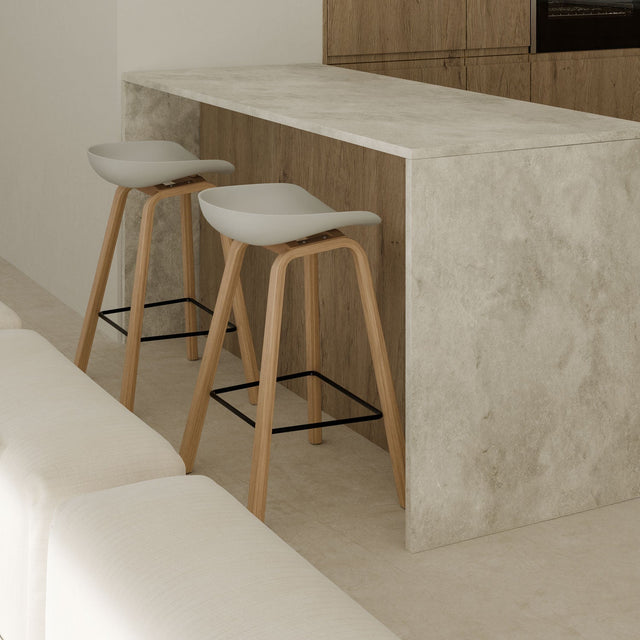
Are you looking for the perfect stool for your home but don't know where to start? Choosing the right accent seat can completely transform the functionality and aesthetics of your spaces. Stools have evolved beyond being simple backless chairs, becoming key pieces of furniture that combine design, comfort, and versatility in kitchens, dining rooms, bars, and offices.
In this article, we'll guide you through the different types of benches and stools available, from classic wooden stools to modern adjustable models, so you can make the best choice for your specific needs. You'll discover how to choose the perfect height, which materials are best suited to each space, and what the current trends are in the design of occasional seating.
High stools: the perfect solution for bars and kitchens
Bar stools are essential when your kitchen has a breakfast bar or raised work island. Their height typically ranges from 65 to 80 centimeters, making them the ideal choice for standard work surfaces that measure between 90 and 110 centimeters high.
These auxiliary seats stand out for their ability to create dynamic social spaces in the kitchen, transforming a simple food preparation area into a family gathering place. Bar stools not only offer functionality but also add personality and style to your culinary space.
When choosing bar stools, consider the available space under the bar. The general rule is to leave 25 to 30 centimeters between the seat and the surface to ensure comfort. Additionally, if your bar is longer than 2 meters, we recommend opting for at least three stools to create a harmonious visual balance.
Low-backed models offer greater comfort for extended periods, while backless stools take up less visual space and can be stored completely under the bar when not in use. This feature makes them perfect for compact kitchens where every inch counts.
Low stools: versatility for multiple spaces
Low stools, ranging in height from 35 to 50 centimeters, are a perfect fit for standard dining tables, work desks, and multifunctional spaces. Their versatility makes them a smart investment for homes where furniture needs to serve multiple purposes.
These auxiliary seats are especially useful in small spaces, as they can be easily stacked or stored when not in use. Folding stools represent an evolution of this concept, offering maximum space optimization without compromising comfort.
In interior design, low stools serve as transitional elements between different furniture heights. You can use them as impromptu side tables, plant stands, or even as extra seating at informal gatherings. Their versatility makes them essential pieces of contemporary functional design.
The choice between low stools with or without a backrest depends primarily on the intended use. For activities requiring concentration, such as working on a computer or doing crafts, a low backrest provides the necessary support without restricting movement.
Wooden stools: warmth and natural durability
Solid wood stools represent the perfect fusion of timeless aesthetics and exceptional durability. At Slowdeco, we work exclusively with sustainable woods such as oak, walnut, and pine, guaranteeing not only the natural beauty of each piece but also our commitment to the environment.
Wood brings visual warmth to any space, creating inviting environments that encourage socializing. Oak stools, for example, develop a unique patina over time, making each piece an investment that improves with age. Their distinctive grain and natural tones adapt perfectly to both rustic and contemporary styles.
Pine wood stools offer a more economical alternative without sacrificing quality. Their light tone and smooth texture make them versatile pieces that complement everything from Nordic kitchens to Mediterranean dining rooms. Furthermore, pine wood takes color treatments very well, allowing you to completely customize the finish to your preferences.
Maintaining wooden stools is surprisingly simple. A treatment with natural oil every 6-12 months keeps the wood nourished and protected. This ease of care, combined with their natural durability, makes wooden stools a smart long-term choice.
For areas exposed to humidity, such as kitchens and dining rooms, we recommend stools with specific water- and stain-resistant finishes. These special treatments maintain the natural beauty of the wood while providing the necessary protection for intensive daily use.
Upholstered stools: comfort and style in perfect balance
Upholstered stools elevate the concept of extra seating to new levels of comfort and sophistication. Their cushioned surface makes them the preferred choice for spaces where extended periods of time are expected, such as family breakfast nooks or home office areas.
The variety of available fabrics allows the stool to be perfectly adapted to any decorating scheme. From neutral textiles that blend in discreetly to eye-catching prints that act as focal points, the options are virtually limitless. Modern technical fabrics also offer superior resistance to stains and wear, maintaining their pristine appearance even with heavy use.
Stools with removable upholstery represent a particularly practical innovation. This feature allows you to completely refresh the look of the furniture simply by changing the cover—an economical and sustainable solution for updating your decor without having to buy new furniture.
In terms of maintenance, upholstered stools with stain-resistant treatments make daily cleaning much easier. A simple damp cloth is enough to remove most accidental spills, while microfiber fabrics naturally repel dust and mites.
For families with children or pets, we recommend upholstery in medium tones that better conceal daily use, combined with high-resistance fabrics that maintain their original appearance for years of intensive use.

Adjustable stools: adaptability for dynamic spaces
Height-adjustable stools represent the ultimate expression of adaptive functionality in auxiliary furniture. Their ability to adjust to different heights makes them the perfect solution for multifunctional spaces where users of varying heights and needs coexist.
The adjustment mechanism can be pneumatic, threaded, or lever-operated, each with its own advantages. Pneumatic systems offer smooth and quick adjustments, ideal for frequent height changes. Threaded mechanisms provide greater stability and durability, perfect for occasional adjustments requiring maximum firmness.
Swivel stools add an extra dimension of comfort, allowing for natural movement without having to completely move the seat. This feature is especially valued in home workspaces and kitchens where access to different areas is needed without constantly getting up.
The base of these stools can vary from five-legged designs with casters to solid pedestals with ample support. For kitchen use, we recommend bases without casters, which provide greater stability during meals, while for home offices, bases with casters facilitate mobility.
When choosing adjustable stools, check the adjustment range to ensure it meets your specific needs. A typical range of 15-20 centimeters of adjustment is sufficient for most household applications.
Industrial stools: robustness and urban character
The industrial style has gained immense popularity in contemporary interior design, and industrial stools are key elements for achieving this sophisticated, urban aesthetic. Characterized by the combination of metal and wood, these auxiliary seats bring personality and robustness to kitchens, dining rooms, and workspaces.
Metal stools with natural wood seats create an attractive visual contrast that works especially well in lofts, studios, and homes with minimalist decor. The metal, usually treated steel or iron, provides a sturdy structure capable of withstanding heavy use, while the wood adds warmth and comfort to the seat.
Aged or patinated finishes add authenticity to the industrial style, creating the feeling of reclaimed furniture with its own history. These special treatments not only provide aesthetic character but also help to conceal the natural wear and tear of daily use.
For covered outdoor spaces like patios and porches, industrial-style stools with corrosion-resistant treatment offer exceptional durability. Their clean lines and robust materials make them ideal for creating outdoor seating areas with an urban feel.
The versatility of industrial stools allows them to be combined with both rustic solid wood tables and contemporary glass or metal surfaces, creating interesting plays of textures and styles.
Stackable stools: intelligent space optimization
Stackable stools are a brilliant solution for homes where storage space is limited. Their ability to stack securely allows multiple units to be stored in the space of just one, a particularly valuable feature in urban apartments and compact houses.
The design of these stools requires careful engineering to ensure both individual stability and safe stacking. The best models incorporate interlocking elements that keep the stack stable while allowing for easy separation of individual stools when needed.
The most common materials for stackable stools include high-strength polypropylene, lightweight metal, and plywood. Each material offers specific advantages: polypropylene is extremely lightweight and easy to clean, metal provides maximum durability, and wood adds superior aesthetic warmth.
For frequent use, such as in family kitchens where extra seating is needed for meals, stackable stools with non-slip surfaces offer added safety. These special textures on the base and seat prevent unwanted movement during normal use.
Stackable stools are also ideal for home-based commercial spaces, such as craft workshops or art studios, where flexibility is needed to accommodate different numbers of people depending on the activity.
Height and ergonomic considerations
Choosing the correct stool height is essential for comfort and functionality. An inappropriate height can cause discomfort in the back, legs, and neck, especially during prolonged use.
For standard kitchen counters (105-110 cm), stools 65-75 cm high provide the ideal leg angle. This allows the knees to form a slightly obtuse angle, reducing strain on joints and muscles. Always remember to measure from the floor to the top of the seat, not to the backrest.
Dining table stools (70-75 cm high) require seats 40-45 cm high. This proportion allows the thighs to remain parallel to the floor while the feet are fully supported, distributing body weight evenly.
Legroom is equally important. Leave at least 25-30 cm between the stool seat and the underside of the table or bar. This space allows for natural movement and facilitates unrestricted access.
For users of different heights in the same household, adjustable stools or a combination of different fixed heights can be the most practical solution. Some models include adjustable footrests that significantly improve comfort for shorter users.
Materials and finishes: durability and aesthetics
Choosing the right material determines not only the stool's durability but also how well it integrates into the overall decor. Each material offers specific characteristics that are better suited to different uses and styles.
Solid wood, especially oak and walnut, offers maximum durability and natural beauty. Its ability to develop patina over time makes it an investment that improves aesthetically with age. Treatments with natural oils enhance the grain while providing protection against moisture and stains.
Metals like stainless steel and brushed aluminum offer a contemporary look and clean aesthetic, making them especially suitable for modern kitchens. Their corrosion resistance and ease of cleaning make them practical choices for heavy use.
Modern composite materials combine the best features of different elements. For example, stools with a metal frame and a composite seat offer the strength of metal with the tactile warmth of softer surfaces.
Textured finishes not only add visual interest but also provide better grip, reducing the risk of slipping. Matte surfaces are more effective at concealing everyday wear and tear compared to glossy finishes.
For areas with high humidity, such as kitchens near cooking areas, specific anti-humidity treatments significantly extend the lifespan of the furniture while maintaining its original appearance.
Decorative styles and current trends
The world of stool design is constantly evolving, adapting to contemporary trends while maintaining timeless classic elements. Current styles reflect a search for balance between functionality, sustainability, and personal expression.
The Nordic style continues to dominate trends, with stools featuring clean lines, light woods, and minimalist designs. These accent seats are characterized by their elegant simplicity and functionality without excessive ornamentation. Nordic stools often incorporate woods such as birch or pine, with natural finishes that preserve the material's original texture.
The Mediterranean style, very common in Spanish homes, combines sturdiness with warmth. Stools in this style often feature darker woods like walnut, with lines that evoke traditional craftsmanship while incorporating modern comforts. Subtly carved details add personality without compromising functionality.
Current trends also embrace personalization, with stools that allow for changes to elements such as upholstery, finishes, or even structural components. This flexibility responds to the growing demand for furniture that evolves with the changing needs and tastes of its users.
Neutral colors dominate current palettes, but pops of color in upholstery or metallic details add personality without compromising decorative versatility. Earth tones, inspired by nature, connect with the trend toward sustainability and domestic well-being.
Stool maintenance and care
Proper care of your stools not only preserves their original appearance but also significantly extends their lifespan. Each material requires specific care that, when applied consistently, will keep your furniture in optimal condition for decades.
For solid wood stools, regular cleaning with slightly damp cloths removes daily dust and debris. Avoid harsh chemicals that can damage the natural finish. Every 6-12 months, apply wood-specific oils that nourish the fibers and maintain moisture protection.
Upholstered stools require regular vacuuming to remove dust particles that can accumulate in the fibers. For specific stains, use cleaning products appropriate for each type of fabric, always testing on an inconspicuous area before general application.
Metal structures benefit from cleaning with dry cloths to remove fingerprints and residue. For stools with special finishes such as patinas or anti-rust treatments, use specific products that preserve these special characteristics.
Adjustable mechanisms require regular lubrication to maintain smooth operation. Use lubricants recommended by the manufacturer and regularly check that all screws and connections are properly tightened.
Proper storage of stackable stools includes ensuring that contact surfaces are clean and dry to prevent scratches or moisture transfer between units.
Integration into different spaces of the home
Modern stools transcend their traditional function as auxiliary seating, becoming versatile pieces that adapt to multiple spaces and uses within the home. Their transformative ability makes them smart investments for contemporary homes.
In the kitchen, high stools create informal breakfast areas and spaces for socializing while preparing meals. Their height allows users to comfortably interact with those working in the kitchen, transforming food preparation into a shared social activity.
Dining rooms benefit from low stools as extra seating for large gatherings or as decorative elements that add varying visual height. Their compact storage capacity allows them to be kept readily available without taking up permanent space.
In bedrooms, stools serve as extra seating for getting dressed, makeshift tables for books, or decorative elements that add functionality without overwhelming small spaces. Upholstered models provide additional comfort for activities like putting on shoes or reading.
Home offices take advantage of the flexibility of adjustable stools to create adaptable workspaces. Their ease of movement allows for quick reconfiguration of the space according to different activities, from computer work to creative pursuits that require different postures.
Covered outdoor spaces such as terraces and porches benefit from weather-resistant stools that create additional seating areas for outdoor enjoyment.
Sustainable stools: a commitment to the future
Sustainability has become a deciding factor for many conscious consumers, and sustainable stools represent an opportunity to combine functionality with environmental responsibility. At Slowdeco, our commitment to sustainability is reflected in every aspect of the manufacturing process.
We exclusively use wood from sustainably managed forests, ensuring that each stool contributes to forest conservation rather than its degradation. Our local suppliers in Valencia significantly reduce the carbon footprint associated with transportation, while supporting the regional artisan economy.
The finishes and treatments we apply are free of toxic components, using natural oils and waxes that preserve the health of your home while protecting the wood. These eco-friendly treatments are not only safer for your family, but also allow for the complete recycling of the furniture at the end of its useful life.
The exceptional durability of our handcrafted stools represents another key aspect of sustainability. Furniture that lasts for decades avoids the repetitive consumption of resources and significantly reduces environmental impact compared to lower-quality alternatives that require frequent replacement.
Our repair and maintenance system ensures that even normal wear and tear can be corrected, indefinitely extending the lifespan of each part. This "repair before you replace" philosophy is an integral part of our commitment to conscious consumption.

Future trends in stool design
The future of stool design points toward greater integration of technology, advanced sustainability, and extreme customization. Emerging trends reflect the evolving needs of households that are increasingly aware of their environmental impact and require adaptive functionality.
Innovative materials include bio-based compounds that combine superior strength with complete biodegradability. These materials of the future will maintain current aesthetics and functionality while completely eliminating negative environmental impact.
Personalization through digital technology will allow for the adaptation of dimensions, colors, and specific features for each user and space. Online configuration systems will facilitate the creation of unique stools that perfectly suit individual needs.
Modular designs will evolve into systems where individual components can be upgraded or replaced independently, allowing the furniture to evolve with changing needs without requiring complete replacement.
The subtle integration of technology will include features such as wireless charging integrated into the seat surface, gentle heating systems for outdoor use, and IoT connectivity for usage monitoring and predictive maintenance.
Conclusion and final recommendations
Choosing the perfect stool for your home requires considering multiple factors that go beyond simple aesthetics. The right height, the appropriate material, a style that complements your decor, and the specific functionality you need are key elements for making the right decision.
Solid wood stools, especially those made with sustainable materials and artisanal techniques, represent a smart investment that combines durability, beauty, and environmental responsibility. Their ability to adapt to different decorating styles while maintaining their functionality makes them versatile pieces for any home.
For small spaces, stackable or folding stools offer maximum functionality without compromising available space. For kitchens with bars or islands, high stools with backrests provide superior comfort for extended periods.
The trend toward personalization allows you to create unique pieces that reflect your personality while fulfilling specific functions. Upholstered stools with removable covers offer exceptional decorative flexibility, allowing you to update their look according to trends or changes in your decor.
Remember that a quality stool, like those you'll find in our designer stool collection , is a long-term investment that will bring functionality and style to your home for decades. The combination of sustainable materials, local craftsmanship, and timeless design ensures your choice will remain relevant and beautiful for years to come.
By choosing stools that reflect your values of sustainability and quality, you contribute not only to creating a more functional and beautiful home, but also to supporting responsible manufacturing practices that preserve our environment for future generations.
Useful links for your search:
- Complete collection of benches and stools
- Marc White/Black High Stool
- Pau Low Stool, white/black frame
- Low stools - Collection
- Albaida stool
- Slowdeco Homepage
- Chair collection
- Designer armchairs
- Dining room sideboards
- Wooden TV stand
These links will allow you to explore not only the available stools, but also other complementary furniture that can help you create a cohesive and functional environment in your home.
0 Comments
There are no comments for this article. Be the first one to leave a message!