
Acacia wood — naturalness with character
Acacia wood has earned a special place in the world of interior design and furniture for its blend of durability, warmth, and exotic beauty. It's a material that connects with nature and authenticity, perfect for those seeking sustainable and long-lasting furniture that exudes personality in every detail.
In current interior design, acacia is valued both in warm Nordic environments, where it is combined with light textiles and natural fibers, and in more sophisticated and industrial spaces, where its vibrant grain provides contrast and visual strength.
Solid acacia furniture can be used for both indoor and outdoor spaces. It's a durable, sustainable wood suitable for outdoor use, making it a choice that embodies quality, design, and environmental responsibility.
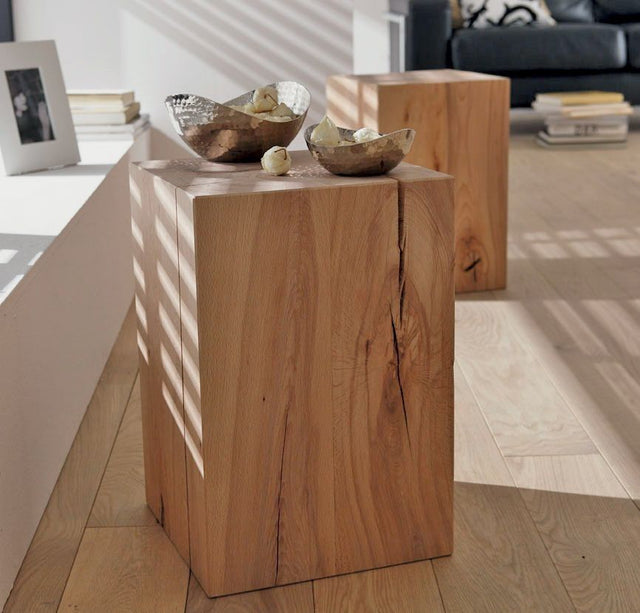
Aesthetics
Acacia wood is distinguished by its striking and dynamic grain, with tones ranging from warm golds to deep browns. This rich color palette creates a vibrant and dynamic surface, ideal for dining tables, sideboards, or accent furniture that aims to be a focal point in any room.
Its finish is naturally attractive and accepts varnishes and oils that further enhance its character. Compared to more uniform woods, acacia brings an authentic, handcrafted feel with plenty of personality.
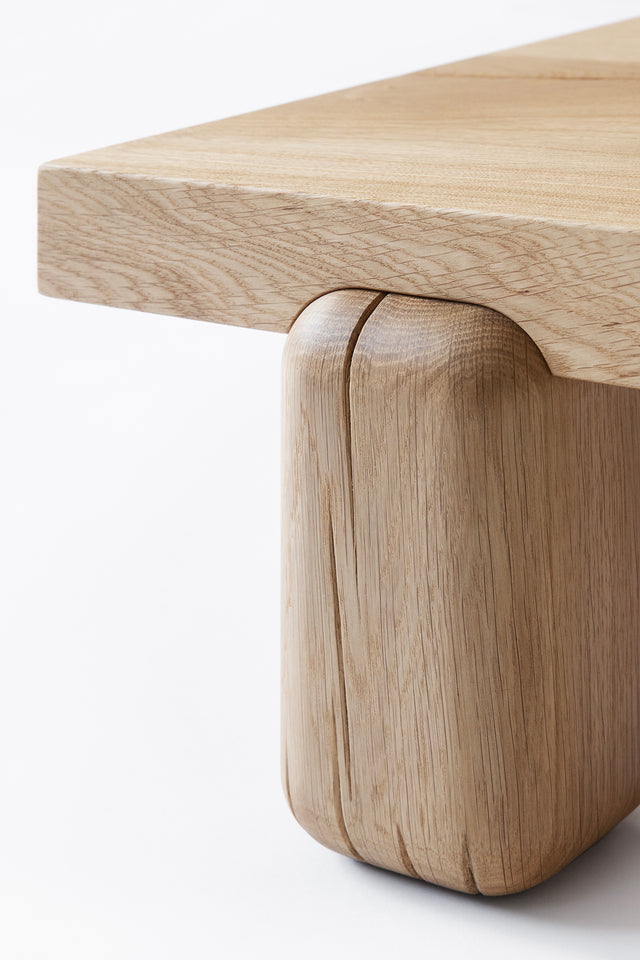
Endurance
It is a hard and very resistant wood, with good resistance to daily wear and tear. Its density and hardness make it less prone to scratches, dents, or warping, making it an excellent choice for high-traffic furniture such as dining tables or countertops.
Compared to other tropical woods, acacia also offers good durability outdoors (when properly treated), resisting the passage of time and humidity better than softwoods.
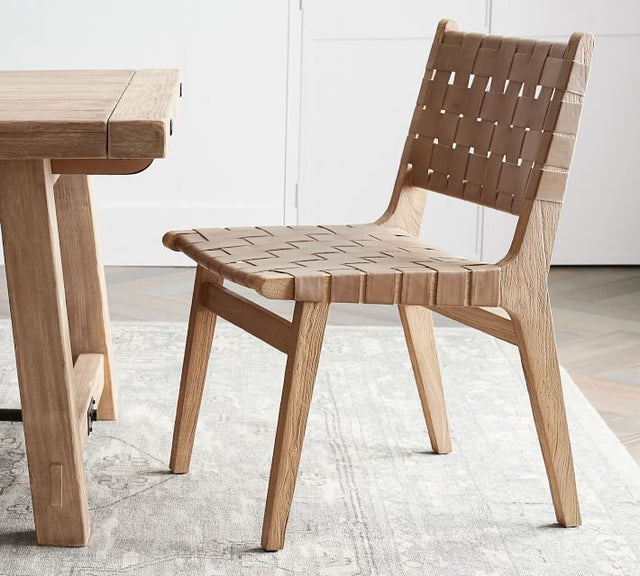
Sustainability
Acacia is a renewable and fast-growing resource, making it a sustainable timber choice when processed under certifications such as FSC or PEFC. Harvesting it in controlled plantations helps reduce pressure on other, scarcer, and more valuable species.
Furthermore, its natural durability means that furniture made with acacia has a long lifespan, aligning with the concept of slow deco and responsible consumption.
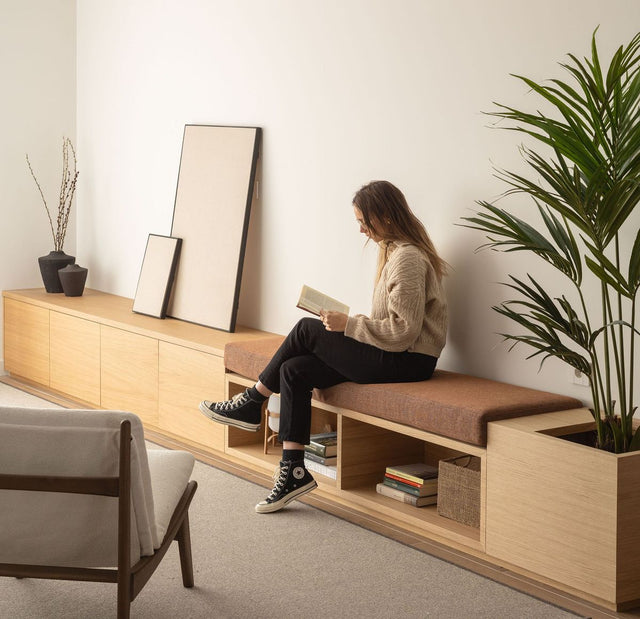
What furniture or style does it apply to?
Acacia wood is extremely versatile. It suits both contemporary solid wood furniture and more rustic, handcrafted pieces. It's commonly seen in solid wood dining tables, benches, treated outdoor furniture, and also in smaller items like shelves or consoles.
In terms of styles, acacia fits perfectly into warm Nordic, rustic elegant and even boho chic spaces, where the mix of textures and materials is essential.
MATERIALES NATURALES
¿Acacia o teca? Dos maderas, dos personalidades.
La acacia destaca por su veta expresiva, sus tonalidades cálidas y su versatilidad. La teca aporta una estética elegante y una elevada durabilidad natural, especialmente valorada en muebles de exterior. Conocer sus diferencias te ayudará a elegir el material que mejor se adapta a tu hogar.
| Característica | Acacia | Teca |
|---|---|---|
| Estética | Veta marcada y dinámica, tonos dorados a marrón oscuro; aspecto auténtico y cálido. | Tonos dorado-miel a marrón oscuro, veta generalmente más uniforme; estética sofisticada y elegante. |
| Resistencia | Madera generalmente dura y resistente a golpes y rayaduras. Su comportamiento en exterior depende de la especie, el acabado y el mantenimiento. | Elevada durabilidad natural, especialmente apreciada por su comportamiento frente a la humedad y los agentes exteriores. |
| Sostenibilidad | Algunas especies crecen relativamente rápido y existen plantaciones de origen certificado. Conviene comprobar la procedencia y la gestión forestal responsable. | Es importante verificar su origen legal y responsable, priorizando madera procedente de fuentes certificadas cuando sea posible. |
| Aplicaciones | Mesas macizas, bancos, muebles de interior y mobiliario de exterior con protección adecuada. | Muebles de interior y exterior de gama alta, pavimentos y aplicaciones náuticas. |
| Valor percibido | Buena relación entre estética, resistencia y precio; generalmente más accesible que la teca. | Material premium, apreciado por su durabilidad, calidad y presencia estética. |
Consejo Slowdeco: elige acacia si buscas una madera con veta expresiva y una buena relación entre diseño y precio. Si necesitas mobiliario para un espacio exterior expuesto habitualmente a la intemperie, la teca ofrece una elevada resistencia natural. En ambos casos, comprueba el origen y los cuidados recomendados por el fabricante.