
Oak wood: noble, elegant and resistant
Oak is the wood that exudes presence. Its deep grain and golden tones convey warmth and timeless elegance. It's not just a material: it's a lifelong companion. Oak furniture feels solid, protective, like a welcoming home. In wooden dining tables, sideboards, or headboards, oak brings that sense of quality furniture that lasts for years, ages beautifully, and becomes a family heirloom.
In Nordic-style decor, oak adds a warm touch that balances whites and neutral tones. In more minimalist interiors, it becomes the perfect accent to break up the coldness and add character.
Choosing oak means choosing durability, sustainability and character: pieces that feel alive, that speak of nature and tradition, but also of contemporary design.
Aesthetics
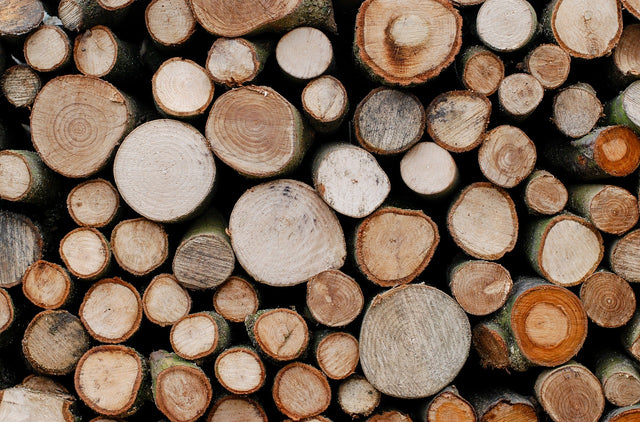
Oak boasts a distinctive and deep grain, with tones ranging from light gold to honey brown. Each piece is unique and full of nuances. In a solid oak sideboard or an oak dining table, the wood adds personality and visual warmth, making the piece of furniture the focal point of the room.
Evolution over time : In natural light, oak can darken slightly, gaining a richer tone, becoming more golden or coppery over the years, always subtly. This makes it ideal for furniture that "lives" with the family and improves with age.
Endurance
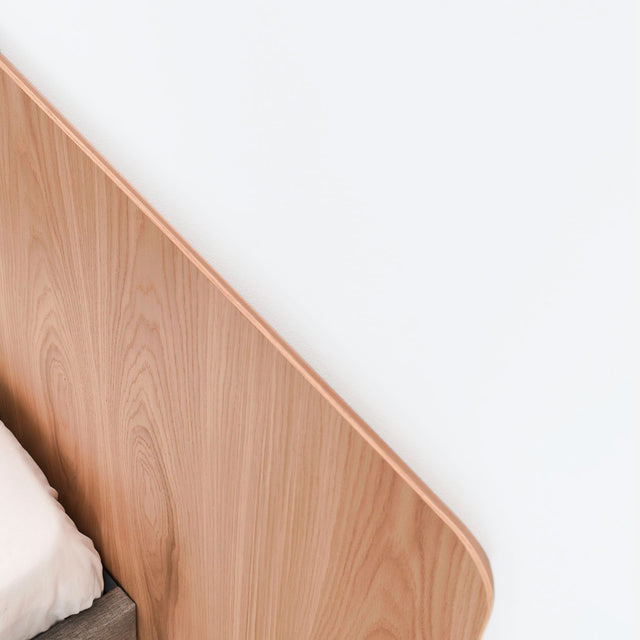
Oak is a hardwood that is dense and very durable. It withstands heavy use, loads, and the test of time with grace. It is perfect for wood floors, dining tables, and high-traffic furniture. Its strength makes it ideal for homes looking to invest in long-lasting furniture.
- Density : It is a fairly dense wood. In European oak, it is around ~710 kg/m³ at 12% moisture content.
- Durability against wear : Excellent. It resists impacts and moderate scratches, and maintains its structural integrity well. It is a hardwood, which allows furniture, flooring, and stairs made of oak to last for many decades if properly cared for.
Sustainability
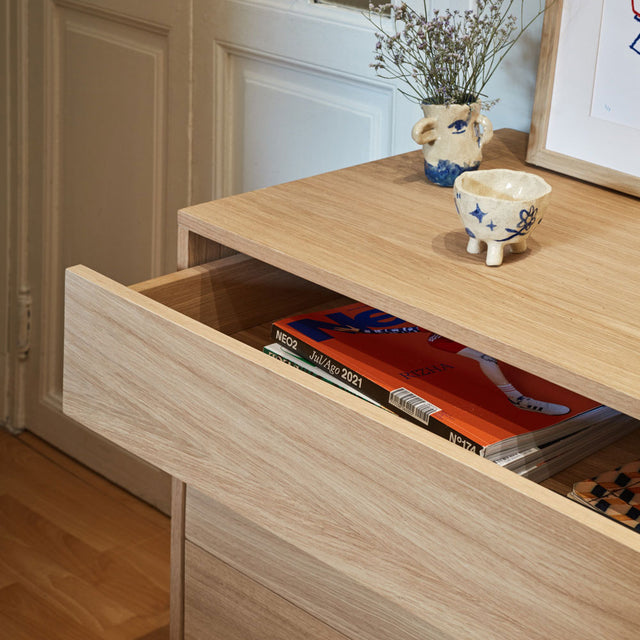
European oak comes from responsibly managed forests. Its long lifespan reduces the need to replace furniture frequently. By choosing FSC/PEFC certified oak furniture, you are opting for sustainable decor and reducing your environmental impact.
It is essential that the wood is certified (FSC, PEFC, etc.), and comes from well-managed forests, with reforestation, without overexploitation, that maintain biodiversity.
Durability: This is part of its sustainability: a well-made oak piece of furniture lasts for decades, even generations, reducing the need for replacement. Less consumption, less waste.
What furniture or style does it apply to?
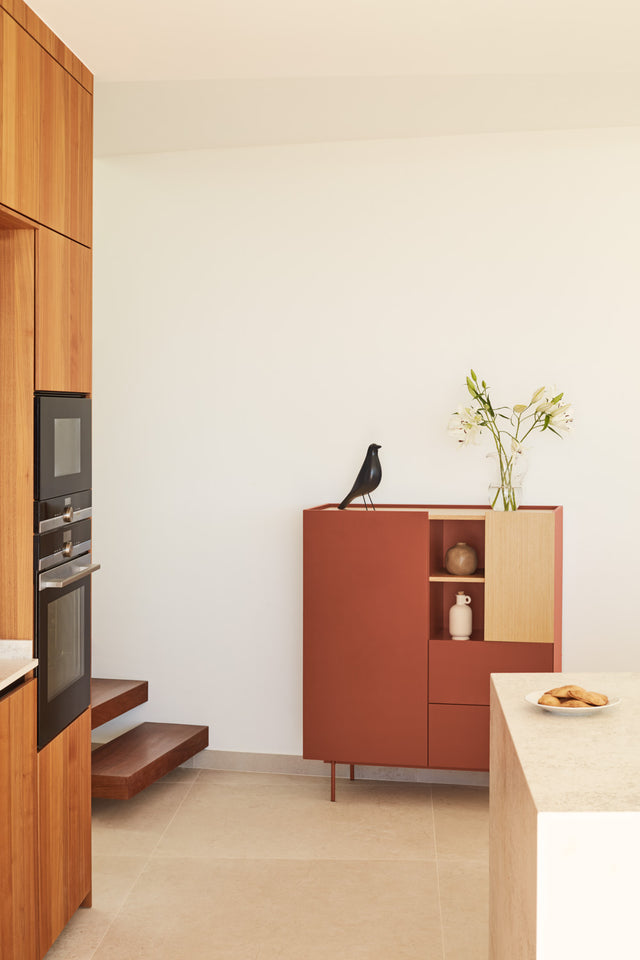
Oak fits perfectly with warm Nordic style, modern rustic decor, and minimalist interiors that need a touch of character. It's the ideal material for tables, sideboards, sturdy shelves, or headboards that aim to convey solidity and tradition with a contemporary feel.
- Nordic/Scandinavian style : Light oak wood (or oak with a smooth finish) fits very well with bright, neutral spaces and simple lines. It brings warmth and a natural feel.
- Rustic or country style : oak with knots, visible grain, aged treatment, imperfect brushing.
- Contemporary/minimalist style: oak with clean finishes, natural matte varnish, furniture pieces with simple geometries.
- Industrial or loft style: combine it with dark metal, iron, with contrasts; the rustic grain of oak provides that warm counterpoint along with the cold materials.
Most suitable types of furniture :
- Storage furniture: chests of drawers, sideboards; oak can withstand weight and frequent use.
- Large dining tables and chairs: their weight and sturdiness make them a solid choice for regular use.
- Wooden or parquet floors: for durability and aesthetics.
- Stairs, railings: when structural strength and beauty are desired.
- Interior doors, windows, moldings: you take advantage of their stability, good fit, and noble aesthetics.
MATERIALES NATURALES
¿Fresno o roble? Dos maderas, dos personalidades.
El fresno aporta luminosidad, ligereza y una veta natural. El roble destaca por su calidez, resistencia y carácter. Conocer las diferencias entre ambas maderas te ayudará a elegir la que mejor encaja con tu hogar y tu forma de vivirlo.
| Característica | Fresno | Roble |
|---|---|---|
| Estética y veta | Veta visible y uniforme; sensación ligera y luminosa. | Veta más marcada; aspecto cálido y con carácter. |
| Color natural | Claro, del blanco cremoso al beige pálido. Admite tintes suaves. | Del beige miel al dorado y marrón. Envejece hacia tonos más ricos. |
| Sensación visual | Luminosidad y amplitud visual. | Presencia y calidez envolvente. |
| Resistencia al impacto y flexión | Muy buena elasticidad; ideal para piezas curvadas. | Muy resistente y rígido; menos flexible. |
| Durabilidad natural | Moderada: requiere tratamientos si hay humedad. | Alta en duramen; mejor comportamiento en ambientes exigentes. |
| Estabilidad dimensional | Buena con secado correcto; movimientos moderados. | Buena; muy estable en usos estructurales e interiores. |
| Trabajabilidad | Se mecaniza y curva bien; acepta tintes y lacas. | Se trabaja bien; poro más abierto, acepta aceites y barnices. |
| Mantenimiento | Protección periódica en zonas de alto uso o humedad. | Mantenimiento sencillo; envejecimiento noble. |
| Sostenibilidad | Disponible en origen europeo; escoger FSC/PEFC. Atención a plagas y gestión responsable. | Amplia oferta europea; larga vida útil que puede favorecer una menor reposición. |
| Estilos decorativos | Nórdico, contemporáneo, minimalista y rústico ligero. | Nórdico cálido, rústico, clásico e industrial con carácter. |
| Usos recomendados | Sillas, frentes claros, paneles, elementos curvados y mobiliario ligero de interior. | Mesas, aparadores, suelos, escaleras y carpintería interior exigente. |
| Dónde evitar | Exterior sin tratamiento o zonas muy húmedas. | Piezas muy finas que requieran gran flexión o curvado. |
| Precio orientativo | Habitualmente medio. | Medio-alto según calidad y origen. |
| En tres palabras | Luminosidad · Flexibilidad · Naturalidad | Calidez · Carácter · Durabilidad |
Consejo Slowdeco: si el espacio es pequeño o tiene poca luz natural, el fresno aporta una sensación más luminosa. Si buscas una madera con mayor presencia y textura visual, el roble puede ser la mejor elección.