
Wooden sideboards: trends, materials, and how to choose the best one for your home
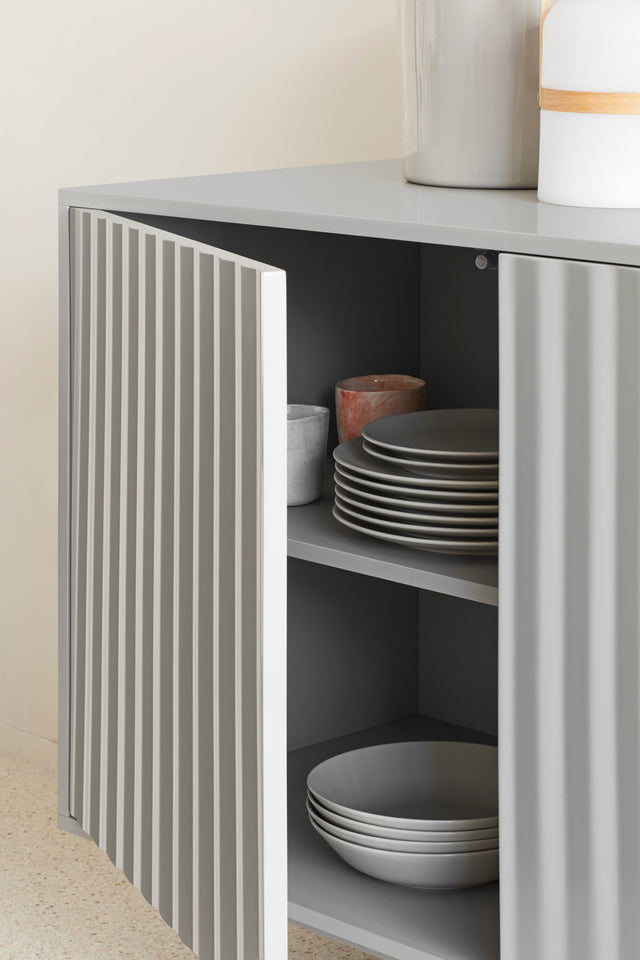
There are pieces of furniture that hold objects and furniture that embody a home's identity. Sideboards, without a doubt, fall into the latter category. They are the first piece noticed upon entering the living room, setting the chromatic and material tone for the entire space. Yet, they are often chosen too hastily. If you've spent weeks searching for a wooden sideboard and feel like everything looks the same or nothing quite fits, this guide is for you. We'll discuss real materials, finishes that matter, and how Nordic design continues to offer honest solutions for furnishing with purpose.
Why Natural Wood Remains the Best Choice
Trends come and go, but solid wood endures. It's not nostalgia; it's logic. An oak, ash, or mango wood sideboard ages gracefully, gains character with use, and responds nobly to the passage of time. This doesn't happen with an industrial panel covered in vinyl, which shows swollen edges and peeling surfaces after two years.
Natural wood provides tactile and visual warmth. It has grain, weight, and presence. When you open a drawer of a well-built solid wood sideboard, you notice it in the touch, the sound, the way it slides. These are details not found in technical specifications but that define the daily experience with the furniture.
Moreover, wood is a living material that connects the inside of the house with the outside world. In a living room with neutral tones, an oak sideboard with its clear grain introduces that touch of nature that balances the room without resorting to decorative artifice.

Finishes That Make a Difference: What You Should Know
A sideboard's finish is not just an aesthetic matter. It determines how the surface will react to a glass of water, an accidental scratch, or the sun entering through the window every afternoon.
The most common finishes in quality Nordic furniture are:
- Natural oil: penetrates the wood fibers, protecting them from within. It maintains a warm feel and visible grain. It requires reapplication periodically, but the process is simple and almost therapeutic.
- Natural wax: creates a soft protective layer that preserves the wood's matte and organic appearance. Ideal for pieces that won't experience very intense use.
- Water-based varnish: more resistant than oil, it offers durable protection without yellowing. The wood is sealed, which reduces maintenance but also the direct tactile connection with the fiber.
- Lacquered in soft tones: allows for playing with color—off-whites, warm grays, muted greens—while maintaining the solid wood structure underneath. It's a good option for those seeking chromatic contrast without sacrificing the quality of the base material.
A straightforward tip: be wary of any sideboard whose finish is not clearly specified. If the product description says "melamine finish" or doesn't mention the type of wood, you are likely looking at a low-quality panel with a decorative sheet glued on top.
Nordic Style Applied to Sideboards: Pure Lines and Real Function

Scandinavian design has proven for decades that beauty stems from well-resolved utility. A good Nordic sideboard doesn't need excessive moldings or ornate handles. Its appeal lies in proportion, clean lines, and the honesty of the material.
The defining characteristics of a Nordic-inspired sideboard are quite clear: raised legs that visually lighten the furniture and facilitate floor cleaning, smooth fronts or with subtle grooves that add texture without visual clutter, and a material palette that combines light wood with details in rattan, matte black metal, or natural stone.
This approach is neither cold nor austere, as it is sometimes misunderstood. On the contrary: by reducing the superfluous, every present element gains prominence. The oak grain is better appreciated when it doesn't compete with unnecessary adornments. The furniture's proportion is enjoyed when the lines breathe.
There's an important difference between simplicity and poor design. A well-designed Nordic sideboard intelligently solves storage—adjustable shelves, rear cable pass-throughs, drawers with smooth runners—and does so without that engineering being visible. That's design with discernment.
How to Choose the Perfect Sideboard for Your Living Room
Before falling in love with a photo in a magazine or on a screen, there are practical questions that should be answered honestly.
What will you store inside? A sideboard for tableware is not the same as one for books, tablecloths, or electronic devices. The interior layout matters as much as the exterior.
How much space do you really have? Measure the gap, but also measure the walking distance. A 180 cm sideboard might be proportionate for one wall, but if it leaves a 60 cm passageway, it will feel cramped. Visual calm needs air around the furniture.
What color palette dominates your living room? Color harmony is fundamental. If your sofa and textiles are in sand and cream tones, a dark wood sideboard can create an interesting contrast, but also excessive visual weight. Light oak or ash wood usually integrates more easily into neutral and warm palettes.
Here are the summarized keys to avoid making a mistake:
- Always prioritize solid wood or, at minimum, a wooden structure with high-density fiberboard. Avoid disguised low-quality board.
- Check the opening system: doors should close smoothly, and drawers need quality runners that support real weight.
- Consider the leg height. Legs of 12-15 cm lighten the overall look and give a sense of spaciousness to the living room.
- Think about the back of the furniture. If you're placing a lamp or speaker on top, you'll need a cable pass-through or at least an open back.
- Don't underestimate the depth of the sideboard. Models 40-45 cm deep are sufficient for most uses and won't overwhelm the living room.
Beyond the Sideboard: A Piece That Defines Your Living Room
A well-chosen sideboard organizes, decorates, and communicates. On it, you'll place a lamp, perhaps a vase with dried branches, some books you like to keep visible. It's a surface that tells who lives in that home. That's why it deserves a thoughtful, informed choice, touching the wood if possible.
Photographs help, but they don't replace the experience of opening a drawer, running your hand over the surface, and seeing how the wood's tone interacts with the actual light in a room. If you're at that point in your search where you need to see, touch, and compare, in our showroom in Valencia—Avenida de Pérez Galdós 127—we have sideboards and living room furniture you can explore at your leisure, unhurried, with the natural light coming through the windows.
And if you prefer to start from home, on slowdeco.es you can browse our collection of sideboards with detailed information on materials, measurements, and finishes. Because making a good choice starts with good information.
0 Comments
There are no comments for this article. Be the first one to leave a message!