

Comfortable for small spaces: compact solutions
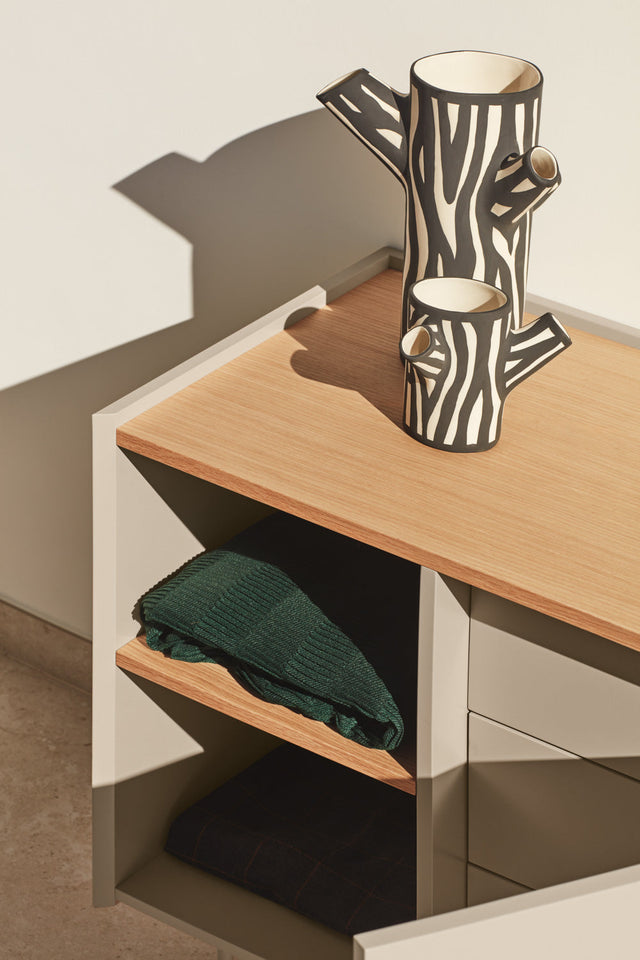
The comfortable, low-profile They represent the ultimate solution for maximizing storage in urban bedrooms where every centimeter counts, transforming seemingly limited spaces into perfectly organized areas without sacrificing functionality or aesthetics. Furniture for small apartments : the compact dresser transcends its traditional role as a simple chest of drawers to become a strategic piece that visually structures the bedroom, provides extra surface area, and solves storage needs without overwhelming the available space. The intelligent selection of a dresser with optimized dimensions makes all the difference between cluttered rooms where movement is difficult and balanced bedrooms where everything flows naturally, allowing each corner to fulfill its specific purpose without compromises imposed by disproportionate furniture.
Why compact dressers are essential in small apartments
Contemporary urban dwellings present spatial challenges that require furniture solutions specifically designed to maximize functionality in minimal square footage. comfortable, low-profile They cleverly utilize vertical space with stacked drawers that multiply capacity without expanding horizontally, creating storage volume comparable to traditional wardrobes in drastically smaller footprints. This space efficiency is crucial in bedrooms of 8-12 m² where a conventional wardrobe would consume a disproportionate percentage of the available area.
The compact dresser also functions as a multitasking piece, concentrating several functions into a single unit: storage for clothes, a surface for decorative objects, a TV stand in master bedrooms, and even an impromptu vanity when paired with a mirror. This versatility eliminates the need for multiple separate pieces of furniture that would visually clutter the space, allowing a single, high-quality item to meet diverse needs. comfortable SlowDeco products are designed considering these multiple functionalities from the initial conception.

In When choosing furniture for small apartments , the visual perception of space is just as important as the actual square footage. A well-proportioned dresser with a light design and light finishes can make a small room seem larger than it actually is, while a disproportionate or visually heavy piece of furniture can create a feeling of claustrophobia, even in objectively generous spaces. This spatial psychology makes choosing the right dresser a fundamental decision that directly impacts how you experience your bedroom every day.
Ideal dimensions for dressers with reduced depth
Optimized depth without sacrificing capacity
The depth of a dresser determines how much it encroaches on the bedroom's circulation space, requiring a careful balance between storage capacity and respect for movement flow. comfortable, low-profile With depths of 35-40 cm, these shelves provide ample space for standard folded clothing without wasting unnecessary space in already cramped aisles. This size allows for the convenient storage of T-shirts, underwear, light sweaters, and folded trousers, meeting the basic storage needs of most people.
In bedrooms where the distance between the bed and the opposite wall is minimal (150-180 cm), every centimeter of chest of drawers depth directly reduces usable circulation space. A 35 cm deep chest of drawers allows for a 60-70 cm aisle, even in tight configurations, which is sufficient for comfortable lateral movement. Depths less than 30 cm are excessively restrictive for adult clothing, working only in children's rooms or for storing non-textile items. dressers with drawers SlowDeco optimizes these dimensions through designs that maximize internal space.

The depth should also take into account the space needed for drawers to fully open without colliding with the bed or other furniture in front. Add the depth of the dresser to the drawer extension length (typically another 30-35 cm) to calculate the total space required: a 40 cm dresser with fully extending drawers needs 70-75 cm of clearance in front. If this space isn't available, consider dressers with partial-opening mechanisms or shallower drawers that sacrifice some capacity to work in truly limited spaces.
Width proportional to the bedroom
The width of the dresser should be in harmonious proportion to the overall dimensions of the bedroom and the wall where it will be placed, avoiding both insignificant pieces lost against large walls and disproportionate furniture that visually overwhelms the space. For bedrooms of 8-10 m², dressers 80-100 cm wide provide a balanced presence without being overpowering. In rooms of 12-15 m², widths of 100-120 cm create appropriate focal points that structure the layout of the space.
The comfortable, low-profile They tend to be wider to compensate for their limited depth, distributing storage capacity horizontally through a greater number of narrow drawers instead of deep ones. This configuration also facilitates organization by allowing specific drawers to be dedicated to particular categories of clothing without mixing them. A 100 cm chest of drawers can incorporate four 50 cm wide drawers arranged in two vertical columns, or six drawers of approximately 33 cm in three columns, offering compositional flexibility.
For shared walls where the dresser must coexist with doors, windows, or radiators, carefully measure the distances between these elements before selecting the width. Leave at least 10-15 cm of space on each side between the dresser and architectural features to avoid a visually overwhelming feeling. If the available wall measures 140 cm between the radiator and the door, opt for a dresser no wider than 110-120 cm to allow for visual breathing room. wooden dressers They offer multiple dimensional options to suit different configurations.

Strategic height according to functionality
The height of a dresser impacts both storage capacity and ergonomic usability, as well as the perceived space of the bedroom. Low dressers, 70-80 cm high, create horizontal lines that visually expand small spaces, working well in rooms with low ceilings where excessive verticality would accentuate architectural limitations. This height also allows them to be used comfortably as a work surface without having to stretch, ideal when serving as a base for televisions or as impromptu vanities.
Medium-height dressers, 85-95 cm high, offer a versatile balance suitable for most bedrooms, providing between 4 and 6 drawers depending on the configuration, covering moderate storage needs. This height positions the top drawer at a comfortable access level, even for people of average to below-average height, without requiring stools or extensions to reach the contents. Furniture for small apartments , this versatility is valuable as it allows the dresser to function in multiple spaces if you reorganize the future floor.

To maximize vertical storage in spaces where floor space is extremely limited, tall dressers (100-120 cm) concentrate a large capacity in a minimal horizontal area. These vertical designs require especially smooth-opening mechanisms in the upper drawers for easy access without excessive effort, and stable bases that counteract the high center of gravity, preventing tipping. Ensure that the upper drawers contain lightweight items used occasionally, reserving the more accessible lower levels for everyday clothing.
Comparative table: dresser dimensions and drawer capacity
|
Model of comfortable |
Width x Depth x Height (cm) | Number of drawers | Interior capacity per drawer | Ideal for |
|---|---|---|---|---|
| Basic compact dresser | 80 x 35 x 75 | 4 drawers | 72 x 28 x 12 cm (approx. 24 L) | Small single bedrooms, youth rooms |
| narrow vertical dresser | 60 x 40 x 100 | 5 drawers | 52 x 33 x 15 cm (approx. 26 L) | Very small spaces, underutilized corners |
| Standard reduced chest of drawers | 90 x 38 x 85 | 5 drawers | 82 x 31 x 13 cm (approx. 33 L) | Medium-sized bedrooms, couples with limited space |
| Compact horizontal dresser | 100 x 35 x 75 | 6 drawers (3x2) | 45 x 28 x 12 cm (approx. 15 L) | Organized by categories, underwear and accessories |
| Comfortable, optimized stocking | 92 x 40 x 90 | 6 drawers | 84 x 33 x 13 cm (approx. 36 L) | Intensive daily use, full storage |
| Tall vertical dresser | 70 x 38 x 110 | 6 drawers | 62 x 31 x 14 cm (approx. 27 L) | Maximum vertical space utilization, studios and lofts |
| Wide chest of drawers with minimal depth | 120 x 32 x 80 | 8 drawers (4x2) | 55 x 25 x 11 cm (approx. 15 L) | Narrow corridors, behind doors, minimal gaps |
This comparison table shows how different configurations of comfortable, low-profile They optimize capacity according to the specific constraints of each space. The interior dimensions of drawers vary depending on the thickness of materials and drawer slide systems; these are approximations that may differ slightly between manufacturers. To calculate total storage capacity, multiply the individual capacity by the number of drawers: a chest of drawers with 5 drawers of 30 liters each offers a total of 150 liters.
Drawer configurations for maximum organization
Drawers of different heights depending on the contents
The strategic placement of drawers with varying heights optimizes storage, adapting to different types of clothing and items. The shallower upper drawers (10-12 cm deep) are perfect for underwear, socks, scarves, or small accessories that don't require significant height and allow for full visibility of their contents. This manageable height also facilitates organization using dividers that keep categories separate and prevent chaotic mixing.
The intermediate drawers, 13-16 cm high, accommodate folded T-shirts, sportswear, pajamas, or thin sweaters that need a little more vertical space. This configuration allows for vertical folding, where each item remains visible, facilitating selection without disorganizing the rest of the drawer. comfortable, low-profile They maximize efficiency by dedicating a larger volume to this type of drawer that stores frequently used clothing.
Deeper lower drawers (18-22 cm) are designed for bulky items such as thick sweaters, sweatshirts, jeans, or bedding. This extra height allows you to stack several garments or store items like bags, shoes, or boxes of miscellaneous objects without straining the drawers. The lower placement is ergonomically sound, as heavier items at the base stabilize the dresser and prevent tipping, while less frequently used items can be stored in a position that requires bending down to access them.
Internal compartmentation systems
Internal organizers transform drawers into perfectly structured spaces where every item has a specific place, multiplying apparent capacity and making it easier to keep things tidy. Longitudinal and transverse dividers create customizable grids adapted to different drawer widths, allowing configurations from 2x2 to 6x4 compartments as needed. For underwear drawers, dividers every 8-10 cm create individual spaces where each garment stays separate, preventing messy searching.

Modular organizers with movable compartments offer maximum flexibility, allowing you to reconfigure the layout as your needs evolve. You can create a large section for bulky sweaters and multiple small compartments for accessories in the same drawer, making optimal use of available space. dressers with drawers SlowDeco supports these organizational systems that enhance functionality.
For furniture for small apartments Where every cubic centimeter counts, stackable vertical organizers take advantage of the height of deep drawers, creating two levels of storage. The lower level, accessible by lifting the top tray, stores items used occasionally, while the upper level keeps everyday items within easy reach. This hierarchy based on frequency of use optimizes ergonomics, making it easy to reach what you need, even in heavily loaded drawers.
Folding techniques that maximize space
The vertical folding method popularized by Marie Kondo revolutionizes drawer space utilization, allowing you to see all your clothes simultaneously without stacking them where those below are hidden. Each garment is folded into a compact rectangle that stands upright, supported by neighboring items, creating a textile "filing system" where you can select any piece without disturbing the others. This technique works exceptionally well in comfortable, low-profile whose limited depth is compensated for by superior visual organization.
For T-shirts, folding them lengthwise into thirds followed by two horizontal folds creates 10-12 cm wide packages that fit perfectly in drawers 35-40 cm deep. Bulkier sweaters require a similar technique but can be stored horizontally in lower, deeper drawers where the height allows for stacking 3-4 units without excessive compression. Trousers folded lengthwise along the seam and then into thirds or quarters depending on their length take up minimal vertical space while remaining easily accessible.

Underwear benefits from specific folding techniques: bras are stacked to maintain the shape of the cups without being crushed, panties are folded into approximately 8x8 cm squares, and socks are paired without knotting them (which deforms the elastic) by simply folding one over the other. This attention to proper folding not only maximizes capacity but also extends the lifespan of garments by preventing deformation, reflecting a conscious consumer mindset where taking care of what you own reduces the need for frequent replacements.
Materials and finishes that optimize small spaces
Light colors that visually enlarge
Light-colored finishes create a feeling of spaciousness that is fundamental in furniture for small apartments where visual perception can make small rooms feel less claustrophobic. Comforters in pure white, off-white, sandy beige, or pearl gray reflect natural light, bouncing it around the bedroom and multiplying the brightness, which is especially valuable in rooms with small windows or a northern exposure. This light reflection creates an optical expansion effect that makes walls seem farther away than they actually are.
The white chest of drawers 92 cm This exemplifies how lacquered finishes in neutral tones allow the furniture to blend discreetly without visually dominating, letting other decorative elements such as textiles or artwork add color without saturation. This chromatic versatility also facilitates future decorative changes: you can completely refresh the look of the bedroom by changing the colors of the walls, bedding, or curtains, knowing that the neutral dresser will work harmoniously with each new palette.
Matte finishes in light tones are especially suitable for small spaces as they avoid intense light reflections that can be visually tiring. Matte surfaces gently absorb light, creating serene environments where the dresser adds a calm presence without being overly prominent. For bedrooms with abundant natural light, this finish prevents annoying glare that glossy surfaces would generate, improving visual comfort throughout the day.

Light woods with smooth grain
The comfortable, low-profile Light natural woods like bleached oak, ash, maple, or Scandinavian pine combine organic warmth with a visual lightness appropriate for small spaces. These honey, sand, or ivory tones provide natural texture without the heavy coloration of dark woods, which can feel oppressive in small rooms. The soft, uniform grain characteristic of these species creates visually calming surfaces that don't overwhelm with excessively contrasting patterns.
Treatment with natural oils or water-based varnishes in a matte finish enhances the beauty of the wood without creating artificial shine, preserving an organic appearance that aligns with the slow living philosophy of honest materials. This material authenticity provides a quality that is perceptible both visually and tactilely, elevating the everyday experience of using the furniture beyond mere functionality to a pleasurable sensory interaction. wooden dressers SlowDeco prioritizes these sustainable woods with responsible origin certification.

For bedrooms with Nordic or Mediterranean decor, where whites and natural tones predominate, a light wood chest of drawers blends harmoniously, adding warmth without stark contrast. The stylistic versatility of these woods allows them to be combined with a wide range of color palettes and decorative styles, from minimalist to bohemian, ensuring that the investment remains relevant even as your tastes evolve. This timelessness represents smart consumption, where quality transcends fleeting trends.
Designs with raised legs that visually lighten the space
Dressers with legs that raise the furniture 10-15 cm off the floor create a feeling of spaciousness by allowing the eye to pass underneath, seeing a continuous wall or floor. This visual transparency tricks the brain into perceiving less mass occupying the space, a technique especially effective in furniture for small apartments where every optical trick contributes to enhancing perception. Legs in turned wood, fine metal, or tapered profiles minimize their own visual presence, allowing the furniture to appear to float.
This elevated design also makes floor cleaning easier, allowing you to vacuum or mop underneath the dresser without having to move heavy furniture, maintaining complete bedroom hygiene with minimal effort. For people with allergies or respiratory sensitivities, this easy cleaning prevents the accumulation of dust and mites in areas usually inaccessible under furniture placed on the floor. The space under the dresser can also be used for extra storage with low, sliding boxes for storing seasonal clothing or items used only occasionally.
Elevated legs require careful structural design to ensure stability, especially on tall dressers where a high center of gravity could cause tipping. Verify that the legs are of adequate thickness and firmly anchored to the furniture frame using robust assembly systems such as glued dowels or internal metal screws. Adjustable levelers at the base of the legs compensate for uneven floors, preventing annoying and potentially dangerous wobbling when loaded drawers alter the weight distribution.
Fronts with horizontal lines that widen
Facade designs with pronounced horizontal lines, achieved through the arrangement of drawers, moldings, or changes in material, create an optical illusion of greater width—a valuable trick in narrow bedrooms where you need to counteract unbalanced proportions. Dressers with wide drawers stacked one on top of the other create horizontal bands that guide the eye laterally, making the wall, and by extension the room, appear wider. This effect is enhanced with horizontal, longitudinal handles instead of central knobs that reinforce verticality.
Subtle tonal changes between alternating drawers create a horizontal rhythm without excessive contrast: alternating natural wood with lacquer in a similar but not identical tone, or playing with matte and satin finishes in the same color, generates visual interest that horizontally structures the facade. Comfortable, reduced depth ; this compositional strategy compensates for the limited depth by generating visual richness on the front plane that the furniture presents to the bedroom.

Avoid pronounced vertical decorative elements such as moldings, strips, or dividers that accentuate height at the expense of visual width. If the dresser has legs, opt for designs that widen towards the base, creating an inverted triangle that reinforces both visual and physical stability. The proportions of the entire piece of furniture should tend towards a horizontal format (wider than tall) to maximize the widening effect, reserving vertical formats only for spaces where narrowness is extreme and vertical development is the only viable option.
Strategic locations in small bedrooms
Focus on the bed
Positioned directly in front of the bed, the dresser becomes an immediate focal point upon waking, requiring careful selection of an aesthetically pleasing design that complements the overall ambiance. This position also facilitates access from an upright position in bed, allowing users to reach items on the top surface without fully getting out of bed—a valuable feature for those who use the dresser as a television stand or display decorative items viewed from bed.
In furniture for small apartments Where the bed is often placed against a side wall to maximize central circulation, the front wall offers an ideal location for the dresser, respecting a minimum distance of 70-90 cm between the two pieces of furniture. This space allows for the drawers to open fully without colliding with the bed, and also provides sufficient aisle for comfortable movement when making the bed or changing sheets. comfortable With a balanced design, they function perfectly as focal points that structure the decor.

The visual symmetry of this arrangement makes it easy to create balanced decorative compositions by flanking the dresser with complementary elements: floor lamps on either side, paintings or mirrors centered on the wall above, or plants that frame the piece of furniture, creating a harmonious whole. This possibility of creating decorative vignettes transforms the functional dresser into a compositional centerpiece that elevates the overall aesthetic of the bedroom beyond mere utility, becoming an expression of carefully curated personal style.
Side unit next to window taking advantage of the light
The side placement next to the window takes advantage of natural light, making it easier to see the contents of the drawers during the day and selecting clothes more convenient, especially in the mornings when artificial lighting can distort colors. This position also allows the top surface of the dresser to be used as an indoor garden for plants that thrive in direct sunlight, adding life and freshness to the bedroom without taking up any extra floor space.
Ensure the dresser does not obstruct the full opening of windows or block radiators located beneath them, maintaining ventilation and heating functionality. In rooms with radiators under the window, the dresser should be placed to the side, leaving the radiator completely unobstructed, or use elevated models with legs high enough to allow warm air to circulate freely underneath the furniture. comfortable, low-profile With depths of 35 cm, these configurations are easier as they do not excessively invade the window opening.
Proximity to a window exposes the dresser to direct sunlight, which can be damaging to delicate finishes. This necessitates protection with curtains or blinds that filter UV rays during peak hours. Woods with UV-resistant treatments and lacquers with sun protection maintain their color and properties even with prolonged exposure—a worthwhile investment if this will be a permanent location. Occasionally rotate decorative objects on the surface to prevent discoloration where some items block sunlight while adjacent areas are exposed.
In corners with L-shaped configurations
Often underutilized corners in small bedrooms offer perfect locations for compact dressers that take advantage of dead space without interfering with main circulation routes. An L-shaped configuration combining a narrow dresser on one side of the corner with shelving or a mirror on the perpendicular side creates an impromptu dressing area that concentrates related functions. This arrangement optimizes morning routines by having clothes, a mirror, and a surface for getting ready all in one specific area.
For truly tight corners where standard rectangular dressers won't fit, consider models with chamfered or cut corners that adapt to the angular geometry. These specialized pieces, while less common, maximize the use of triangular spaces that would otherwise remain empty. Alternatively, modular dressers allow for custom configurations tailored precisely to available dimensions, with modules that assemble to create the profile your specific corner requires.
Corners tend to have poor lighting because they are far from windows and overhead light sources, requiring specific auxiliary lighting. Incorporate a floor lamp or directional wall lights that illuminate both the inside of drawers when they are opened and the top surface of the dresser, making it easier to select clothing and creating a welcoming atmosphere in an area that would otherwise remain dimly lit. This attention to lighting transforms forgotten corners into functional areas that you actively use instead of residual spaces where you accumulate objects without a clear purpose.
Behind doors in tiny spaces
The space immediately behind doors that open into the bedroom is often wasted because it's considered a conflict zone, but comfortable, low-profile A 30-35 cm opening can be placed here if the door opens wide enough without hitting the cabinet. Carefully measure the door's swing arc, ensuring that when fully open (usually 90 degrees), it doesn't collide with the cabinet. If there is a problem, limiting the opening to 75-80 degrees with doorstops may allow for placement while still providing sufficient access.

This placement works particularly well in rooms with complex layouts where all the walls have windows, radiators, or closet doors that preclude conventional placement. The chest of drawers behind the door remains discreetly hidden when the door is open (the usual position if the bedroom is frequently used), only revealing itself when it's closed, creating a sense of surprise. This semi-concealment can be desirable if you prefer to keep the chest of drawers out of sight, preserving the bedroom's visual minimalism.
In this configuration, the drawers should open away from the door to avoid access conflicts when it's partially open. If the door is to the left of the dresser, ensure the drawers extend to the right without obstruction. For doors that open fully against the wall (180 degrees), this consideration is no longer necessary, as the entire front of the dresser is fully accessible when the door is open against the wall.
Multifunctional dressers to optimize space
Dressers with vanity surface
Dressers that also function as vanities combine two pieces of furniture into one, optimizing square footage by eliminating the need for a separate makeup table. The top surface accommodates a tabletop mirror, cosmetic organizers, perfumes, and personal care products, while drawers store makeup, brushes, and beauty accessories. This integration is especially valuable in furniture for small apartments where dedicating an exclusive area to a dressing room is prohibitively expensive.
To function comfortably as a vanity, the dresser requires a height of 70-80 cm, allowing for comfortable sitting on a stool or chair while maintaining an ergonomic posture without excessive slouching. Complement this with a swivel table mirror with integrated lighting, or install a wall mirror directly above the dresser, flanked by wall sconces that provide uniform, shadow-free facial illumination. The dedicated makeup lighting, with a color temperature of 5000-6500K, faithfully reproduces natural colors, facilitating precise application.
Organize the surface using compartmentalized trays that group products by category: morning skincare, foundation, eye makeup, lipsticks. This visual organization simplifies routines, speeding them up by having everything needed for each step readily available. Reserve the top drawer specifically for toiletries, keeping them separate from clothing. This facilitates both organization and the cleanup of spills or powders that inevitably occur when using cosmetics.
Comfortable as a TV stand
The height of comfortable, low-profile The 70-90 cm height makes these TV stands ideal for bedroom TVs, providing the right height for viewing from bed without requiring an additional TV unit. This dual functionality saves space and money by addressing two needs with a single, high-quality piece of furniture. Ensure the top surface can support the weight of your TV (refer to the manufacturer's specifications) and has sufficient depth for the TV base to sit securely with a safety margin.
The dresser drawers store related devices such as media players, remote controls, cables, and accessories, keeping your entire entertainment system organized in one central location. Discreetly drill through the back of the dresser to route power cables and HDMI connections to a wall outlet, preventing a visible tangle of wires from dangling down the front or side of the unit. Use adhesive cable channels on the back to neatly guide cables downwards.
For optimal viewing ergonomics, the center of the TV screen should be approximately at eye level when you're sitting up in bed with the backrest built in (typically 100-110 cm from the floor). If your dresser is 80 cm high and the TV is 30 cm high, the center will be at 95 cm, slightly low but acceptable. Consider using discreet risers under the TV if you need to adjust the final height without changing the furniture, or opt for wall mounting directly above the dresser, which allows for perfect vertical adjustment.
Comfortable with integrated work area
Chests of drawers with extendable, fold-down desktops or hinged tops transform into perfect temporary workstations for laptop use, studying, or administrative tasks. When not in use, the surface folds away, maintaining the compact profile of a standard chest of drawers, revealing additional functionality only when needed. This transformability is ideal in furniture for small apartments where rooms must be multifunctional, adapting to different times of the day.
The top drawer, designed like a filing cabinet with hanging rails, organizes important documents, invoices, manuals, or study materials, keeping papers neatly sorted and easily accessible. This centralized administrative organization within the dresser prevents papers from scattering across the floor and accumulating in messy piles on any available horizontal surface. Complement this with vertical magazine-style organizers on the top surface to keep active documents tidy while you work.
Dedicated task lighting, such as a directional flexible lamp above the desk, facilitates reading and writing without straining your eyes, which is especially important during long study or remote work sessions. Make sure there's an easily accessible power outlet for connecting your laptop and lamp without the need for unsightly power strips. For maximum comfort, the chair should allow your forearms to rest horizontally on the work surface with relaxed shoulders. This typically requires a height-adjustable chair to compensate if the desk is slightly too high or too low compared to ergonomic desk standards.
Vertical organization in tall dressers
Making use of height in shallow spaces
Vertical storage units that grow in height, compensating for limitations in depth and width, represent an intelligent solution for furniture for small apartments Where floor space is extremely limited but standard or high ceilings allow for vertical expansion. A model 60 cm wide by 40 cm deep occupies only 0.24 m² of floor space, but with a height of 110 cm and 6 drawers, it provides storage capacity equivalent to horizontal chests of drawers that would take up twice the space.
This vertical configuration requires careful distribution of contents according to weight and frequency of use: heavy items in lower drawers for stability, everyday items on easily accessible middle levels, and occasional or seasonal items in upper drawers. Avoid overloading the upper levels, as this would dangerously raise the center of gravity and could cause the dresser to tip over if someone leans on an open drawer or pulls on multiple drawers simultaneously. Some tall dressers include mandatory wall anchoring systems to prevent tipping.
The narrowness and verticality of these pieces make them distinctive visual elements that you can use compositionally as vertical focal points. Flan the dresser with elements that reinforce its verticality, such as tall mirrors, framed prints in vertical portrait format, or tall plants that create a cohesive ensemble. This vertical grouping counteracts the dominant horizontality of the bed and other bedroom furniture, adding compositional dynamism that prevents visual monotony.
Logical distribution of content by levels
Vertical organization by hierarchy of use optimizes ergonomics, making it easy to access essential items with minimal effort, while occasional items justify the extra effort of reaching high drawers or bending down to lower ones. The top level (drawers 5-6 in tall dressers) stores out-of-season clothing, accessories used only occasionally, or sentimental items that you keep but rarely need, accepting the inconvenience of needing a stool for comfortable access.
The middle levels (drawers 3-4) contain regularly worn clothing: T-shirts, everyday trousers, underwear in current rotation, and socks. This area coincides with arm level in a neutral position, facilitating opening without stretching upwards or bending excessively. Most daily interactions with the dresser occur in these drawers, requiring that opening mechanisms operate perfectly smoothly and silently. dressers with drawers High-quality products incorporate premium hardware at all levels, guaranteeing flawless operation.
The lower drawers are ideal for storing bulky items that, due to their weight and size, are best suited for a lower shelf: thick sweaters, sweatshirts, jeans, and sportswear. Storing these heavier items at the base contributes to the furniture's structural stability. Consider also storing shoes in stacked boxes, bags stuffed with paper to maintain their shape, or extra bedding here, taking advantage of the often greater depth of the lower drawers in dressers designed with drawers that are tiered by size.
Ladders or support stools for access
Dressers that are over 100 cm tall often require a step stool to comfortably reach the top drawers, especially for shorter to average-height individuals. A folding stool that you store next to the dresser or in a nearby closet solves this problem without taking up permanent space, unfolding only when you need to access higher shelves. Opt for stable designs with a wide base and a non-slip surface to prevent falls when standing up while carrying items.
Two-step library ladders with a side rail provide valuable added safety for seniors or those with balance issues who need support while climbing. These sturdier models can stand next to a dresser, serving as a vintage-style decorative element that adds character, especially in wood finishes that coordinate with the main piece of furniture. Use the upper steps as an impromptu shelf for books or decorative items when not in use.
For furniture for small apartments Where storing extra stools is problematic, consider dressers with recessed plinths that allow you to slide your shoes underneath, creating an impromptu lift. While less comfortable than a dedicated stool, in emergencies it allows you to reach high drawers without additional equipment. Alternatively, design your organization prioritizing complete autonomy of access to lower and middle shelves, reserving upper shelves exclusively for periods of complete reorganization, accepting occasional inconvenience.
Buying tips for compact dressers
Measure carefully before buying
The most common mistake when buying comfortable, low-profile It's relying on visual estimates of available space without verifying exact measurements, resulting in furniture that doesn't fit or leaves inadequate clearances. Use a precise tape measure to accurately measure the available wall width between architectural elements (doors, windows, radiators), the clear depth from the wall to any obstacles in front (bed, other furniture), and the height from floor to ceiling, including any low windows or overhead shelving that might create a vertical barrier.
Document measurements by drawing a simple sketch of the bedroom with annotated dimensions, then photographing it for reference in-store or when browsing online catalogs. This visual record with precise data prevents confusion about which measurement corresponds to which wall when you try to remember mentally after measuring. Add drawer opening measurements (dresser depth + an additional 30-35 cm), verifying that there is sufficient space in front for full extension without collisions.
Consider not only the furniture's dimensions but also the space needed for movement around it: a minimum of 60-70 cm of front aisle clearance, and 50-60 cm on each side if you need access from the sides. Mark these circulation areas on your sketch with dotted lines that subtract from the usable space, visualizing the actual area available for the furniture. This rigorous space planning exercise prevents costly disappointments with furniture that technically fits but makes the bedroom uncomfortably narrow or obstructs access to closets and key areas.
Prioritize quality over quantity of drawers
The temptation to maximize drawer space by choosing models with multiple small compartments can backfire if the opening mechanisms are of low quality and deteriorate rapidly with use. Drawers with inexpensive plastic runners jam, derail, or break after months of heavy use, transforming a seemingly functional dresser into a constant source of frustration. Prioritize models with fewer drawers but high-quality metal hardware, full extension, and soft-close mechanisms that guarantee flawless operation for decades.
Premium opening systems incorporate ball bearings that distribute weight evenly, allowing for smooth gliding even with fully loaded drawers, unlike simple guides that require force and generate annoying noise. Full extension allows access to items at the back of the drawer without having to remove the front contents, significantly increasing storage accessibility. Soft-close mechanisms prevent slamming, which can damage furniture and be especially disruptive during nighttime use when sharing a bedroom.
The additional investment in quality hardware pays for itself over years of satisfactory use, preventing premature replacements. A budget-friendly €200 dresser with inexpensive hardware that lasts 5 years before becoming unusable actually costs €40/year, while a €450 model with premium components that functions perfectly for 20 years costs €22.50/year and generates only one use instead of multiple buy-and-dispose cycles. This simple math reveals that quality represents a smarter investment, both economically and environmentally.
Check material strength
The construction materials determine the durability and structural strength of the dresser, especially important when drawers bear considerable weight from clothing, bedding, or shoes. Solid wood in the main structure provides unparalleled sturdiness, allowing the piece to maintain its integrity even after decades of heavy use. The sides, backs, and drawer bottoms can be made of plywood or high-density MDF without unduly compromising quality, as long as the main structure remains solid.
Check the thickness of the drawer fronts: sides at least 12 mm thick and bottoms at least 8 mm thick ensure adequate strength. Excessively thin bottoms of 3-4 mm, typical of very inexpensive furniture, will sag under weight or break if you store heavy objects in them. Dovetail joints or multiple tenons between drawer sides and fronts offer superior strength compared to simple staples or nails, which will eventually come loose under tension and weight.
Structural stability is verified on-site in the showroom by simultaneously loading weight into open drawers and observing whether the dresser wobbles or creaks. A well-designed piece of furniture remains completely stable even with three drawers extended simultaneously and added weight on top of them. If you detect instability in this test, discard the model regardless of its aesthetic appeal, as real-world use will be frustrating and potentially dangerous. comfortable SlowDeco products pass these load tests thanks to their robust, handcrafted construction.

Consider future needs
Life circumstances evolve, requiring furniture purchased today to remain relevant in the future. If you currently live alone but anticipate moving in with a partner, consider the additional storage capacity this transition will require. A dresser that seems generous today may prove insufficient when shared, necessitating the addition of extra furniture or replacement with larger models. Initially investing in storage capacity slightly greater than your current needs provides room for growth without premature obsolescence.
For furniture for small apartments If you're renting and know you'll be moving, prioritize conservative dimensions that fit a variety of room configurations. Chests of drawers 80-90 cm wide and 35-40 cm deep are versatile sizes that work in most bedrooms, from studios to shared apartments. This adaptability means your investment will last through multiple moves without becoming obsolete due to size inconveniences in new spaces.
Aesthetic tastes evolve, making overly trendy designs quickly become outdated. Prioritize timeless lines in versatile neutral tones that complement multiple decorating styles, allowing the dresser to remain relevant even when you completely change wall colors, textiles, or accessories. This timelessness represents smart consumption where quality trumps fleeting trends—a core philosophy of slow living that values durability over constant novelty.

Maintenance of compact dressers
Cleaning according to type of finish
Natural wood dressers should be maintained with slightly damp cloths followed by immediate drying to prevent moisture from penetrating the wood's pores. Every 6-12 months, depending on usage, apply wood-specific nourishing oils or natural waxes to renew protection against stains and dehydration. These treatments also enhance the natural grain, intensifying the wood's beauty over time. Avoid multi-purpose cleaning products containing silicones, as these create sticky buildup that attracts dust.
Lacquered surfaces require only soft, damp cloths with neutral soap, followed by drying to prevent water spots, which are especially visible on dark, glossy lacquers. Contemporary matte finishes conceal minor scratches and fingerprints better than glossy lacquers, where every imperfection reflects light and becomes noticeable. For superficial scratches on lacquered surfaces, specific polishing products applied with microfiber cloths can temporarily camouflage them, although deep scratches that penetrate the lacquer layer require professional refinishing.
Metal hardware benefits from occasional cleaning with metal-specific products that remove incipient rust and restore shine. Handles, in particular, accumulate hand oils, requiring periodic degreasing with alcohol or specialized products. Afterward, apply thin coats of protective wax, which facilitate future cleaning and create a barrier against fingerprints. In humid or coastal environments where corrosion is a threat, this preventative protection significantly extends the lifespan of metal components.

Periodic drawer adjustment
Drawer slide systems require periodic inspection and adjustment to maintain optimal performance, especially after years of use when wear or settling of the structure can cause misalignment. The adjustment screws found on most metal slides allow for lateral and vertical adjustments, correcting drawers that rub, stick, or close misaligned. Dedicate 15-20 minutes annually to systematically inspecting each drawer and adjusting as needed.
For drawers that stick or require excessive force, check that the drawer slides are clean of dust, lint, or small objects that could obstruct the bearings. Clean the slides with a vacuum cleaner using a brush attachment, followed by wiping them with a damp cloth to remove any remaining debris. Lubricate them afterward with a dry lubricant specifically designed for drawer slides (avoid oils that attract dust), applying a small amount to the bearings and friction points. This preventative maintenance avoids premature wear that would eventually require replacing all the slides.
Wooden drawers that swell with seasonal humidity occasionally require light sanding of any rubbing edges, especially in climates with significant humidity variations between seasons. This minor adjustment allows drawers to continue functioning smoothly even when the wood expands slightly. In excessively dry environments where wood shrinks, using humidifiers in the bedroom can prevent drawers from becoming too loose or structures from developing cracks due to extreme dehydration of the material.
Protection against humidity and temperature
The comfortable, low-profile Dressers located in bedrooms should be protected from excessive humidity, which can warp wood, peel veneers, or damage metal hardware. Maintain relative humidity levels between 40-60% using dehumidifiers in humid climates or humidifiers in very dry environments. Avoid placing dressers directly against uninsulated exterior walls where condensation can form in winter; leave at least 5-10 cm of separation to allow for air circulation.
Extreme temperatures or sudden fluctuations stress materials, causing contractions and expansions that can lead to cracks or peeling. Avoid placing dressers near radiators, stoves, or directly under air conditioning units where temperature changes are intense. If placement near a heating source is unavoidable, use thermal insulation or maintain a minimum distance of 30-40 cm to reduce direct heat exposure. Wood treated with quality products withstands these thermal stresses better without visible deterioration.
For furniture for small apartments In attics with ceilings that trap summer heat or in damp basements, consider additional protective treatments tailored to the specific climate challenge. Varnishes with UV filters protect against sun fading, while anti-pore sealants prevent moisture absorption in problematic environments. Consult the manufacturer for recommended treatments specific to your model and particular environmental conditions, applying them preventively before problems arise that require more costly corrective interventions.
Why choose SlowDeco dressers for small spaces?
Optimized design for urban housing
Our comfortable They are specifically designed considering the realities of contemporary urban housing where square footage is limited but storage needs remain constant. We developed optimized dimensions by analyzing typical spatial configurations in apartments in Valencia, Barcelona, Madrid, and other Spanish cities, identifying measurements that maximize functionality without sacrificing circulation. This applied research translates into comfortable, low-profile that actually work in real spaces, not idealized showrooms with unrealistic proportions.

Light-toned finishes and natural woods prioritize the perception of spaciousness, essential in small bedrooms where every visual trick counts. We avoid cluttered designs with excessive moldings or ornamental details that add visual weight without contributing functionality, maintaining the clean lines characteristic of Nordic design where every element justifies its presence. This aesthetic discipline creates furniture that integrates harmoniously without dominating, allowing the bedroom to breathe even when you incorporate substantial storage.
The dimensional versatility of our collection makes it easy to find a specific model for your particular configuration. We offer widths from 60 cm for truly minimal spaces to 120 cm for more generous bedrooms, depths from 32 to 45 cm depending on availability, and heights from 75 to 110 cm, allowing you to prioritize vertical or horizontal layout as needed. This variety eliminates the limitations imposed by restricted catalogs, guaranteeing that you find exactly what your space requires.
Handcrafted in Valencian carpentry workshops
Each chest of drawers is handcrafted in workshops in the province of Valencia, where master carpenters apply traditional techniques, guaranteeing exceptional quality in every assembly, finish, and adjustment. This local production not only ensures technical excellence but also supports the regional economy by preserving traditional crafts threatened by outsourced industrial production. commitment to Valencian craftsmanship This is not a marketing statement but a verifiable practice that you can confirm by visiting our showroom.
Made-to-order manufacturing allows for the customization of specific aspects, adapting furniture to individual needs: adjusting dimensions to fit into non-standard spaces, modifying the internal layout of drawers according to your storage priorities, or incorporating functional details such as cable management holes if the dresser will house electronic devices. This handcrafted flexibility transforms each project into a collaborative effort where your real needs guide the final result, rather than forcing you to adapt your life to prefabricated options.
Made-to-order manufacturing requires patience (typically 4-6 weeks) but guarantees you receive exactly what you want without unpleasant surprises. This production model eliminates speculative stock, reducing the environmental impact of production that anticipates demand and can generate surpluses that end up being destroyed. Each chest of drawers It is created for the person who specifically orders it, representing conscious consumption where production responds to real need, not to commercial projections.
Certified sustainable materials
Our commitment to sustainability is embodied in the rigorous selection of woods sourced from responsibly managed forests with FSC or PEFC certifications that guarantee full traceability. The species we use come from audited European suppliers who systematically replant, ensuring resource regeneration, making each piece of furniture an investment in sustainable forest management. The finishes use water-based products with minimal VOC (volatile organic compound) content, protecting the health of our artisans and the air quality in your bedroom.
Durability as a sustainability strategy means that although the initial price may be higher than disposable alternatives, the amortized cost over its entire lifespan is significantly lower. A mass-produced chest of drawers costing €180 that lasts 6 years costs €30/year, generating waste every five years, while a handcrafted chest of drawers costing €480 that functions perfectly for 25 years costs €19.20/year, with only one piece of waste being generated generations later. This full lifecycle perspective reveals a true economy of quality versus the false economy of cheap products that require constant replacements.
High-quality stainless steel, aluminum, or brass fittings ensure that functional components maintain performance for decades without rust, warping, or mechanical failure. When you invest in comfortable, low-profile With premium components, you're not just buying furniture, but peace of mind knowing it will function flawlessly for years without the need for constant repairs. This technical reliability is an integral part of our vision of sustainability, where functional longevity is as fundamental as the responsible sourcing of materials.
After-sales service and extended warranty
Our commitment to our customers extends beyond the initial sale, offering after-sales service that ensures long-lasting satisfaction. If, after years of use, you require touch-ups, replacement of worn hardware, or repairs for accidentally damaged parts, we provide specific components with installation instructions. This availability of spare parts prevents minor issues from forcing the disposal of entire pieces of furniture that are otherwise in perfect condition except for a repairable detail, representing an antithetical approach to the planned obsolescence characteristic of the mass furniture industry.
The manufacturer's warranty covers defects in materials or workmanship for periods significantly longer than the legal minimum, demonstrating confidence in the quality of our work. This extended protection provides peace of mind that is especially valuable for significant investments such as furniture for small apartments where each item must fully justify the allocated budget. Keep purchase documentation and register the product on our website, activating the warranty which facilitates incident management should it become necessary.
The showroom in Valencia allows you to physically experience the dressers before committing to an investment, touching the finishes, opening drawers to assess their smooth operation, and consulting with specialists who can answer technical or aesthetic questions. This in-person experience provides peace of mind that is impossible to replicate in purely online purchases, where perceptions can differ from reality. Schedule a visit to receive personalized advice tailored to your specific dimensions, decorating style, and individual storage needs.
The comfortable, low-profile With their intelligent design, they have evolved from simple chests of drawers into essential strategic solutions that define functionality and order in contemporary urban bedrooms. Furniture for small apartments , where every furniture decision significantly impacts the livability of the entire space, a well-chosen compact dresser maximizes storage capacity without sacrificing the square footage needed for circulation and daily life. A conscious choice, considering optimized dimensions, durable, sustainable materials, and drawer configurations tailored to your needs, ensures that the investment solves real challenges and provides tangible value for decades.
At SlowDeco, each chest of drawers bears the mark of Valencian artisans committed to excellence, sustainability, and authentic personalization that transcends standard, mass-produced catalog options. We invite you to explore our complete collection of dressers Here you'll discover solutions that celebrate the beauty of natural materials, the integrity of craftsmanship, and respect for responsible manufacturing processes. Choosing the right dresser isn't a superficial decision, but an investment in everyday quality of life and space organization that deserves attention, time, and a conscious selection of pieces that will truly enrich your bedroom for generations, adapting to life's changes without losing functional or aesthetic relevance.
0 Comments
There are no comments for this article. Be the first one to leave a message!