

Kitchen stools: style and functionality
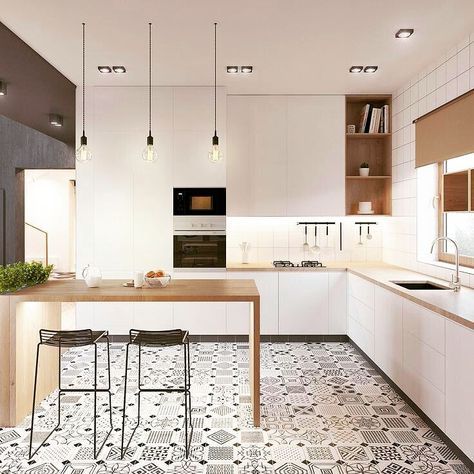
Designer kitchen stools have become essential elements that transform these spaces into true hubs of family life, combining ergonomics, aesthetics, and versatility in pieces that go far beyond their basic function. When you look for the perfect stool, you're not just choosing an extra seat, but defining how you'll experience and enjoy your kitchen every day, turning bars and islands into meeting points where you can share breakfasts, after-dinner conversations, and chat while you cook. The right height, the appropriate material, and the style that best integrates with your decor are decisions that will make the difference between a merely functional space and a kitchen that invites you to linger.
The importance of choosing the right stool for your kitchen
Choosing the right stool directly impacts the functionality and comfort of your kitchen, transforming counters and islands into truly livable spaces where you can enjoy casual meals, work on your laptop, or simply keep others company while you cook. An unsuitable stool in terms of height, style, or materials can turn these moments into uncomfortable experiences that ultimately waste potentially valuable areas of your home. Quality designer kitchen stools are built to withstand the intensive use typical of these spaces, with materials that resist spills, temperature changes, and frequent cleaning without losing their original appearance.
At SlowDeco, our Designer stools combine proven functionality with contemporary aesthetics, handcrafted in Valencian workshops using sustainable materials that guarantee exceptional durability. Each piece is designed with the specific demands of the kitchen environment in mind, where stain resistance, ease of cleaning, and stability are as important as the beauty of the design. Investing in quality stools pays for itself with years of comfortable use, avoiding frequent replacements and contributing to more conscious and sustainable consumption.
How to calculate the perfect height: kitchen bar height and stools
The correct relationship between the height of the kitchen counter and the stool is essential to ensure ergonomics and comfort during use. The basic rule states that there should be a distance of 25-30 centimeters between the counter or surface and the stool seat, allowing enough legroom without being too low or too high. This ratio ensures you can comfortably rest your arms on the surface without raising your shoulders or straining your posture, keeping your back straight and preventing muscle tension during prolonged use.
To make your choice easier, here is a complete table with the exact correspondences between bar heights and recommended stools:
| Bar/countertop height | Recommended distance | Stool seat height |
|---|---|---|
| 85-90 cm (low countertop) | 25-30 cm | 60-65 cm |
| 90-95 cm (standard kitchen island) | 25-30 cm | 65-70 cm |
| 100-105 cm (medium-high bar) | 25-30 cm | 70-75 cm |
| 105-110 cm (high bar) | 25-30 cm | 75-80 cm |
The SlowDeco's bar stools are available in different heights to perfectly suit any kitchen layout. If you have a standard breakfast bar of 90-95 cm, stools with a seat height of 65-70 cm will provide ideal ergonomics. For higher bars of 105-110 cm, you'll need models with seats of 75-80 cm to maintain that optimal distance of 25-30 cm. If you're unsure between two sizes, opt for the slightly lower stool, as it's more versatile and comfortable than one that's too high and makes you feel unsteady.
Types of stools according to their functionality
High stools for bars and islands
High stools are the undisputed stars in kitchens with breakfast bars or raised islands, specifically designed to provide the necessary height on surfaces 90-110 cm high. These models incorporate strategically placed footrests that improve stability and allow you to rest your legs during extended use, preventing the fatigue caused by having your feet dangling. The Marc high stool perfectly exemplifies this category with its timeless design and robust construction that guarantees years of intensive use without compromising stability.
High kitchen stools typically feature reinforced bases with wide diameters that counteract the high center of gravity, providing stability even when you lean or move while seated. The Segonzac high stool combines structural stability with comfortable upholstery in neutral tones that blend seamlessly into any décor. Ideal for kitchen islands where the stool is visible from multiple angles, these models offer meticulous finishing around their entire circumference, without the less refined "backs" often found on conventional chairs.

Low stools for standard countertops
Low stools are ideal for countertops of standard height (75-85 cm) or as versatile auxiliary seating that you can move between different spaces as needed. With seat heights between 45-60 cm, these models take up less visual space than high stools, creating lighter and more uncluttered environments, especially valuable in small kitchens. The Nel low stool combines modern design with soft upholstery that provides comfort without adding excessive bulk to the set.
These stools work exceptionally well in multifunctional setups where the same surface serves both as a food preparation area and an informal dining table. Their compact height makes them easy to store completely under the countertop when not in use, freeing up valuable floor space in kitchens where every inch counts. The Pau low stool is available in black or white frames to suit both contemporary and more traditional kitchens, demonstrating the decorative versatility of this category.

Height-adjustable stools
Adjustable stools offer maximum versatility when you need to adapt a single piece of furniture to different surface heights or users of varying heights. Equipped with gas piston mechanisms similar to those found in office chairs, these models allow you to adjust the seat height within a range that typically spans 55-80 cm with simple lever movements. This functionality is especially valuable in kitchens with countertops of different heights or in homes with children who require gradual adjustments as they grow.
The SlowDeco's adjustable stools incorporate smooth and silent adjustment systems that facilitate adjustments without annoying noises or abrupt movements. The bases typically feature five-point support designs that maximize stability at any height position, preventing the risk of tipping even when the seat is fully raised. For multifunctional spaces or shared housing where different people use the same stools, this feature eliminates the need to compromise the ergonomics of some users to accommodate others.
Swivel stools for maximum mobility
Swivel stools incorporate 360-degree rotation mechanisms that make it easy to sit down, stand up, and change position without physically moving the stool. This feature significantly improves comfort at bars and islands where access may be limited by other furniture or nearby architectural elements. The rotation allows for natural interaction with people positioned at different angles without awkward postures, transforming the kitchen bar into a true social space for fluid conversation.
These models are especially suitable for people with reduced mobility who find the rotating motion easier than having to move the entire stool sideways every time they sit down or stand up. High-quality swivel systems incorporate damping that prevents sudden or uncontrolled rotations, providing smooth and controlled movements that do not compromise stability. For families with children, some designs include rotation limiters that prevent full rotations that could cause dizziness or inappropriate play.
Ideal materials for kitchen stools
Natural wood: warmth and durability
Natural wood is the classic choice for designer kitchen stools that seek to bring organic warmth and a connection to nature. Species such as oak, walnut, or beech offer exceptional structural resistance that guarantees stability even in tall models where forces and stresses are considerable. SlowDeco's solid wood stools are made with sustainable woods specifically treated to withstand the humidity and thermal changes typical of the kitchen environment, where steam, splashes and variable temperatures are constant.

Finishes with natural oils or water-based varnishes protect the wood without altering its natural appearance or texture, creating surfaces that improve over time, developing unique patinas that tell the story of your home. These treatments also facilitate everyday cleaning with damp cloths, and in case of scratches or signs of use, solid wood allows for sanding and reconditioning the surface, restoring its original appearance without needing to replace the entire piece of furniture. This repairability and maintenance capability make wooden stools sustainable investments that can last for generations.
Durable upholstery for added comfort
Upholstered stools feature padded seats that enhance comfort during extended use, making them ideal for kitchens where you enjoy long after-dinner conversations or use the bar as a workspace with your laptop. The medium-to-high-density foams used in quality models provide firm support that prevents excessive sagging while offering the necessary softness for prolonged periods of sitting. SlowDeco's upholstered stools incorporate fabrics specifically selected for their abrasion resistance and stain-resistant treatments that facilitate the cleaning of accidental spills.
Upholstery in high-quality polyester or blends with natural fibers offers the perfect balance between durability and comfort, with resistance exceeding 25,000 Martindale cycles, guaranteeing years of use without visible wear or loss of properties. The Sandra high stool combines gray upholstery with a backrest that provides extra lumbar support for maximum comfort. Ideal for high-traffic kitchens or homes with children and pets, the technical upholstery with a water-resistant finish allows you to wipe up spills before they soak into the foam, keeping the stool looking pristine even after years of heavy use.
Combinations of metal and wood
The combination of metal frames with wooden seats creates contemporary designs that offer visual lightness without compromising the structural robustness necessary for stools that will see heavy use. The metal, typically steel with matte black, chrome, or lacquered finishes, provides exceptional strength with thinner sections than solid wood, resulting in designs that are visually light yet structurally sound. Industrial-inspired stools exemplify this aesthetic, where the combination of materials lends a distinctive character, making them especially suitable for urban or loft-style kitchens.
The metal legs with polymer protectors at the base prevent scratches on delicate floors and allow the stool to glide smoothly without noise or damage to the flooring. The wooden seats on metal frames provide tactile and visual warmth that balances the coolness of the metal, creating harmonious pieces that work with a variety of decorating styles. This combination is also very practical in terms of maintenance, as the metal frames only require cleaning with a damp cloth, while the wooden seat can be treated as needed without affecting the rest of the furniture.
Polypropylene for high-traffic environments
Polypropylene stools are the most practical option for high-traffic kitchens where stain and moisture resistance, as well as ease of cleaning, are paramount. This high-quality plastic offers exceptional resistance to water, grease, and cleaning chemicals, allowing for thorough sanitization with disinfectants without any deterioration of color or properties. Contemporary polypropylene designs have evolved considerably, offering sophisticated matte finishes or glossy finishes in a wide range of colors that complement styles from minimalist to pop.
Polypropylene stools offer additional advantages such as their light weight, making them easy to move frequently; the ability to stack them in many models, optimizing storage when not in use; and generally more affordable prices than wooden or upholstered options without excessively compromising durability. For homes with young children or kitchens that double as multifunctional spaces for crafts or other activities likely to cause stains, these materials provide peace of mind knowing that virtually any spill can be wiped clean without leaving permanent marks.
Kitchen stool styles designed to suit every decor
Nordic style stools
Nordic-style kitchen stools are characterized by clean lines, natural materials, and neutral color palettes dominated by whites, grays, and light wood tones. These designs prioritize functionality without superfluous ornamentation, creating timeless pieces that age gracefully and integrate harmoniously into minimalist or Scandinavian kitchens. SlowDeco's Nordic stools combine beech or oak wood in natural tones with geometrically pure structures where each element fulfills a structural function without merely decorative additions.

The legs typically feature tapered or cylindrical profiles with modest diameters, lending a sense of visual lightness, while the seats can be made of solid wood with ergonomically contoured shapes or upholstered in natural fabrics in shades of sand, beige, or light gray. This style is particularly well-suited to kitchens with abundant natural light, where light tones enhance the feeling of spaciousness and brightness. The Nordic philosophy of conscious and sustainable design aligns perfectly with SlowDeco's values, where each piece is handcrafted using natural materials and environmentally friendly processes.
Industrial style stools
The industrial style draws inspiration from converted factory spaces, featuring exposed materials where metal and wood in dark or aged tones create environments with a distinctive urban character. Industrial stools typically feature steel frames in matte black, natural rust, or distressed chrome finishes, combined with seats made of reclaimed wood or with finishes that simulate years of use. Visible screws and joints, which are hidden in other styles, become decorative elements here that reinforce the honest, factory aesthetic.
When backrests are included, they tend to be minimalist, featuring horizontal metal bars or low backs that provide support without adding visual bulk. This aesthetic works exceptionally well in loft-style kitchens with exposed brick, ductwork, or polished concrete finishes. Seat heights are typically generous, and sturdy footrests reinforce both stability and the industrial aesthetic, where function takes precedence over ornamentation. For kitchens open to contemporary urban living rooms, these stools create visual continuity that integrates spaces without overly defining areas.
Mediterranean style stools
The Mediterranean style celebrates natural materials, colors inspired by the coastal landscape, and designs that convey the relaxed atmosphere of life by the sea. Stools in this style often feature woods in honey tones, aged whites, or navy blues that evoke traditional fishing boats. The forms tend toward artisanal simplicity with finishes that reveal the natural texture of the materials without overly industrial polishing that would eliminate their organic character.
The seats can incorporate rattan mesh or braided rope elements that add texture and natural ventilation, making them especially suitable for warm climates where thermal comfort is important. For kitchens with handcrafted tiles, natural stone countertops, or terracotta elements, these stools perfectly complement the material palette, creating cohesive environments that convey warmth and a connection to Mediterranean traditions. The Albaida stool embodies this philosophy with designs that celebrate local craftsmanship and sustainable materials from the region.
Contemporary style stools
Contemporary stools experiment with innovative forms, mixed materials, and unexpected details, transforming them into sculptural pieces with a commanding presence in any space. These designs may incorporate ergonomically molded seats with organic shapes, bold color combinations, or asymmetrical structures that challenge traditional configurations. Finishes are typically impeccable, featuring high-quality lacquers, polished metals, or upholstery in technical fabrics with sophisticated textures.
This style is ideal for designer kitchens where the furniture also serves as an artistic expression, in homes where the decor aims to surprise and stand out from the conventional. Contemporary kitchen stools can feature details such as invisibly integrated adjustment mechanisms, LED lighting built into the base, or innovative materials like translucent polymers that play with light. For individuals who value originality and want every element of their home to tell a story, these designs offer unique opportunities for expression that transform the kitchen into a truly distinctive space.
Distribution and number of stools according to the space
Linear and peninsular bars
Linear bars attached to walls or serving as peninsulas require careful planning of the number of stools to balance capacity and comfort. The general rule is to allow at least 60 cm of width per person for comfortable use, permitting natural elbow movement while eating or drinking without encroaching on your neighbor's space. For a bar 180 cm long, you could comfortably fit three stools with ample space, or even up to four in tighter configurations suitable for short meals but less appropriate for full meals.
In peninsular layouts where the bar has one end free, avoid placing stools in the corners, as the angled position is uncomfortable and obstructs movement to the opposite side. High stools with backrests require extra consideration of space, as they take up more depth when standing up than models without backrests. Leave at least 90-100 cm between the front of the bar and any obstacles behind it, such as walls or furniture, to allow for comfortable movement when sitting down and standing up without contorting yourself.
Kitchen islands
Islands allow for more flexible layouts, with the possibility of placing stools on one, two, or even three sides depending on the island's dimensions and function. For islands that incorporate a cooking area or sink, reserve at least one side free of stools to allow for working without people sitting dangerously close to the heat or splashes. Dining sides typically benefit from upholstered stools that invite you to remain seated during long after-dinner conversations.
On large islands of 240 cm or more, consider grouping stools in specific zones, leaving open sections that can serve as service areas or support trays and platters during meals. This zoning avoids the institutional dining room feel that a continuous row of stools along the entire island can create. For multifunctional islands that include under-counter storage, ensure that cabinet doors can open fully even with stools in place, or design the stool layout to avoid areas with frequently accessed doors.
Breakfast bar style
Raised breakfast bars that act as dividers between the kitchen and living room require stools that are aesthetically consistent from both sides of the space. Avoid models with clearly differentiated backs that, from the living room, reveal their purely functional nature and disrupt the decorative harmony. Designer kitchen stools with 360-degree finishes work perfectly in these configurations, maintaining their beauty from any angle.
The height of these breakfast bars is usually greater than standard countertops, typically 100-110 cm, requiring 75-80 cm high stools that can sometimes be intimidating for small children or the elderly. Consider incorporating a discreet step stool or choosing one or two adjustable stools that can be adjusted to suit the user. For narrow breakfast bars where surface space is limited, opt for backless stools that can be stored completely under the bar, visually freeing up space when not in use.
Traditional kitchen tables
Although not technically raised counters, more and more kitchens are incorporating standard-height tables where low stools serve as a versatile alternative to conventional chairs. With table heights of 75-76 cm, stools with 45-48 cm seats provide adequate ergonomics. The advantage of stools in these configurations lies in their ability to be stacked or stored under the table, completely freeing up circulation space in small kitchens where every centimeter counts.
The Low, backless stools facilitate mobility, allowing you to sit from any angle without having to completely remove the chair, as is the case with conventional seating. This flexibility is especially valuable in dynamic family kitchens where different people are constantly sitting and getting up. For longer, more formal meals, you can complement the stools with traditional chairs that offer greater lumbar support, using them as secondary seating or for informal occasions where versatility takes precedence over long-lasting comfort.
Maintenance and care of your stools
Cleaning according to materials
Proper maintenance, tailored to the specific material of your stools, ensures they maintain their pristine appearance for years of heavy use. For natural wood stools, daily cleaning requires only a slightly damp cloth with water and mild soap, drying immediately to prevent moisture from penetrating the pores. Every 6-12 months, depending on use, apply wood-specific oils or natural waxes that nourish the material and renew its protection against stains and moisture. SlowDeco solid wood stools include detailed maintenance guides with recommended products specific to each finish.
Upholstery requires regular, gentle vacuuming to remove dust particles and crumbs that can act as abrasives, gradually damaging the fibers. For accidental stains, treat immediately with products specifically formulated for the fabric type, always testing first on an inconspicuous area to ensure it doesn't affect the color. Fabrics with stain-resistant treatments greatly simplify cleaning, allowing you to simply blot up spilled liquids with absorbent paper before they soak in. Metal structures should be maintained with damp cloths and thoroughly dried, occasionally applying products specifically designed for metals to restore shine and prevent oxidation in humid environments such as kitchens.
Stability review and adjustments
Regular structural stability checks prevent major problems and ensure continued safety when using your stools. Every 3-6 months, check that all screws and joints remain tight, retightening any that may have loosened with normal use. This is especially important for high stools where the forces and leverage exerted during use are considerable. Models with separate legs bolted to the seat require more attention than designs with welded, one-piece structures.
For stools with moving mechanisms such as height adjustment or swivel systems, lubricate them every six months with specific products that do not attract dust or leave sticky residue. Gas pistons in adjustable models have a limited lifespan and may eventually lose their ability to maintain height, requiring replacement, which is simple and inexpensive for quality stools. Bases with floor protectors should be checked periodically, replacing any that show wear to prevent the bare metal or wood from scratching the floor. At SlowDeco, we offer a spare parts service, guaranteeing that you can keep your stools in perfect condition throughout their lifespan.
Surface protection
Properly protecting the surfaces where stools are placed prevents damage to floors that can be costly to repair. Adhesive felt protectors on the base of the legs are the simplest and most effective solution for hardwood floors, preventing scratches during everyday use. For more delicate floors such as oiled parquet or softwood decking, consider silicone protectors, which offer a larger contact surface and better distribute weight. These protectors need replacing when wear reduces their effectiveness, typically every 6-12 months depending on how often the stools are used.
In kitchens with natural stone or porcelain floors where scratching isn't a primary concern, protective covers also help reduce noise when moving stools, significantly improving the acoustic comfort of the space. For very heavy stools with solid metal frames, there are protective rubber cups that slightly raise the base off the floor, also improving stability on uneven surfaces. This small 2-3 mm elevation is imperceptible in use but provides significant benefits in the durability of both the stool and the floor.
Storage when not in use
Proper storage of extra stools or stools during periods of reduced use preserves their condition and frees up valuable kitchen space. Stackable models allow you to store multiple units in the footprint of just one, making them ideal for kitchens that occasionally need extra seating for gatherings without permanently occupying all the chairs. Make sure that stackable designs include protective padding to prevent rubbing between units, which could damage paint finishes or upholstery during stacking.
For stools not specifically designed for stacking, storage in sheds or garages requires protection from dust and moisture using breathable covers that prevent condensation. Avoid prolonged storage in excessively dry or humid environments, as these can damage natural wood, causing cracks or warping. Solid wood stools benefit from the application of oils or waxes before long-term storage, creating a protective layer that preserves the material during periods of non-use. If storing in unheated spaces, elevate the stools off the floor using pallets to prevent contact with rising damp, which could particularly damage the legs.
Buying tips: what to consider before choosing
Define your realistic budget
Setting a clear budget before you begin your search helps you focus your options on price ranges you can realistically afford, preventing frustration from falling in love with out-of-price models. Stools vary enormously in price depending on materials, manufacturing complexity, and country of origin. Designer stools handcrafted in Spain with sustainable materials represent a higher investment than imported industrial options, but offer durability and quality that justify the price difference with years of satisfactory use.
Consider the unit cost multiplied by the number of stools needed for your space, potentially including an extra unit for flexibility during meetings. For tight budgets, prioritize investing in fewer, higher-quality stools rather than buying a larger quantity of inexpensive options that will likely need replacing within a few years. A conscious consumer mindset values a higher initial investment that pays for itself through durability over repeated purchases of disposable products that generate higher economic and environmental costs in the long run.
Consider the needs of all users
The physical characteristics and preferences of everyone who will use the stools should influence the final choice. For households with children, backrests provide added safety by preventing falls backward, while well-placed footrests make it easier for them to reach a sufficient height comfortably. Stools without sharp edges or corners minimize the risk of injury from the inevitable use by children in family kitchens. If users with significant height differences live together, adjustable models eliminate compromises by allowing for individual adjustments.
For seniors or people with limited mobility, stools with backrests offer support when sitting and especially when standing up, a movement that requires more effort from high seats. Swivel mechanisms also facilitate access by eliminating the need to approach from the side, which can be difficult. Lightly padded seats with firm density provide comfort without excessive sinking that makes it hard to stand up. Consider these aspects of universal accessibility that benefit all users regardless of age or physical ability.
Evaluate its consistency with your overall style
Stools should blend harmoniously with the existing decorative style of your kitchen and adjacent spaces visible from it. Analyze the predominant materials, color palette, and level of formality of your current furniture to select stools that complement it without clashing. In Nordic-style kitchens with light woods and minimalist lines, the Nordic stools in natural oak or beech with clean lines are a sensible choice. For industrial kitchens with metal elements and urban finishes, black steel frames with dark wood seats create stylistic continuity.
Don't be afraid to introduce carefully considered contrasting elements that add dynamism without disrupting the overall harmony. A pair of stools upholstered in an accent color can act as decorative gems in kitchens with a predominantly white or gray neutral palette. The key is to limit these contrasting elements to small proportions that surprise without overwhelming the space. Visiting inspirational spaces like showrooms or online interior design projects helps you visualize different combinations and gain confidence in decorating choices that might initially seem risky.
Try it out before you buy
Whenever possible, physically test the stools by sitting on them for several minutes to assess actual comfort beyond visual impressions. What appears aesthetically perfect may prove uncomfortable due to improper proportions, excessively hard seats, or poorly positioned backrests that you only discover with actual use. Pay particular attention to the seat height in relation to your own height and the height of your bar, as perceptions in stores with display counters may differ from your home setup.
In it At the SlowDeco showroom in Valencia, you can experience different models in real-world settings, making it easy to assess not only individual comfort but also aesthetic coherence with various kitchen styles. Take the opportunity to consult with specialists about technical questions such as stability, ease of cleaning for specific upholstery fabrics, or the availability of future replacement parts. Investing time in this preliminary evaluation phase prevents later disappointments and ensures lasting satisfaction with your choice. If online purchase is your only option, check return policies that allow you to try the product at home and exchange it if it doesn't meet your expectations.
Why choose SlowDeco stools for your kitchen
Handcrafted in Valencia
Each stool in our collection is handcrafted in carpentry workshops in Valencia, where experienced artisans apply traditional techniques combined with contemporary technology. This local production guarantees absolute control over the quality of materials and processes, allowing for personal supervision of every stage of manufacturing, from wood selection to final finishes. Our commitment to local craftsmanship is not just a statement of intent but a real practice that you can verify by visiting our showroom where we show the origin and production process of each piece.
Our workshops' geographical proximity allows us to personalize orders with specific adjustments to measurements, finishes, or material combinations that are impossible in mass industrial production. If your kitchen has unique architectural features that require adaptations, our team can design bespoke solutions that fit perfectly without the limitations of fixed catalogs. This artisanal flexibility transforms each project into a collaborative effort where your specific needs guide the final result, rather than forcing you to adapt your space to standard options.
Premium quality sustainable materials
Our commitment to sustainability goes beyond words, materializing in the rigorous selection of woods from responsibly managed forests with certifications that guarantee ethical sourcing. The natural woods we use in Solid wood stools come from audited suppliers who systematically recycle resources. Treatments and finishes use water-based products with minimal volatile organic compounds, protecting both the health of artisans and the air quality in your home.
The upholstery incorporates high-resistance fabrics with exceptional durability, preventing premature replacements and reducing resource consumption. This philosophy of durability as a cornerstone of sustainability means that while the initial price may be higher than disposable alternatives, the cost per year of use is significantly lower when you consider the entire lifespan. Each designer kitchen stool is conceived to accompany you for decades, aging gracefully and developing character instead of deteriorating to the point of needing replacement after just a few years.
Designs that stand the test of time
Our designs avoid fleeting trends, seeking timeless lines that remain aesthetically relevant for decades. This conscious design philosophy means your investment won't become stylistically outdated, forcing you to replace it for purely aesthetic reasons. SlowDeco's kitchen stools complement both contemporary and more classic interiors thanks to their balanced proportions and absence of overly trendy decorative elements that quickly make the pieces look dated.
The stylistic versatility of our collections also makes it easy to integrate new stools into future orders if you need to increase quantities, knowing that you'll find aesthetically consistent options even years after the initial purchase. We maintain stable product lines instead of constantly updating collections, prioritizing consistency that benefits customers over constant novelties that only serve marketing strategies. This catalog stability reflects confidence in the quality of our designs and a commitment to long-lasting relationships with our loyal customers.
Designer kitchen stools have evolved from simple auxiliary seating to essential elements that define the character and functionality of contemporary kitchens. Choosing the right stools, considering the height of your kitchen counter , appropriate materials, and styles that complement your décor, transforms these spaces into true gathering places where you can share not only meals but also quality moments that build family life. Investing in quality stools handcrafted from sustainable materials demonstrates a commitment to conscious consumption that values durability, repairability, and timelessness over fleeting trends.
At SlowDeco, each stool bears the mark of Valencian artisans committed to excellence and sustainability, creating pieces designed to accompany you for decades without compromising aesthetics or functionality. We invite you to visit our A collection of designer stools where you'll discover options that celebrate the beauty of natural materials, the integrity of craftsmanship, and respect for responsible manufacturing processes. Choosing the right stools isn't a superficial decision, but an investment in everyday quality of life that deserves attention, time, and a conscious selection of pieces that will truly enrich your home for generations.
0 Comments
There are no comments for this article. Be the first one to leave a message!