

How to choose the perfect bedside table for your bedroom
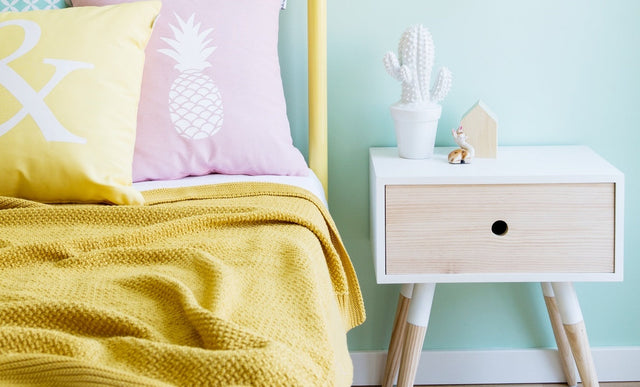
Have you ever woken up in the middle of the night fumbling for your phone or a glass of water? Your bedside table isn't just another piece of furniture in your bedroom; it's your faithful companion, there for you every morning when you wake up and every night when you go to sleep. Choosing the perfect bedside table can completely transform the functionality and style of your sleeping space.
In this article, I'll guide you step-by-step to find the perfect nightstand to suit your needs, the size of your bedroom, and your personal style. From ideal dimensions and the most durable materials to different storage options and styles that best complement your current decor.
By the end of this reading, you will have all the necessary knowledge to make the best decision and create the bedroom of your dreams with a nightstand that is both practical and beautiful.
Why choosing the right bedside table is important
The bedside table is much more than just a place to put your lamp or alarm clock. It's the first piece of furniture you see when you wake up and the last when you go to bed, so its presence directly influences how you feel in your own bedroom.
A well-chosen bedside table brings organization, allowing you to keep everything you need within easy reach during rest: from your favorite book to a glass of water, medication, or your phone charger. Furthermore, it acts as a decorative element that can visually balance the space and create harmony with the rest of the furniture.
When a bedside table isn't the right size or doesn't meet your storage needs, it can create visual clutter and reduce the sense of tranquility you seek in your bedroom. That's why investing time in choosing the right one is essential for your daily well-being.
The perfect measurements according to your bed and space
Ideal height relative to the mattress
The height of your bedside table should always be in relation to the height of your mattress. The general rule is that the surface of the table should be at the same level as, or slightly below, the mattress, with a difference of no more than 5-10 centimeters.
If your mattress is very high due to a raised bed frame or a very thick mattress, you'll need a taller bedside table to maintain that proportion. Conversely, if you sleep on a low mattress or directly on the floor, a low bedside table will be the best option.
This proportion is not only more aesthetically pleasing, but also more practical. When you're lying in bed, you can easily reach everything on the bedside table without having to make awkward movements.
Width and depth according to the available space
The width of your bedside table should be proportional to the size of your bed. For a single bed (90 cm), a bedside table 40-50 cm wide will suffice. For double beds (135-150 cm), you can opt for bedside tables 50-60 cm wide, which offer more visual presence and storage capacity.
Depth is equally important. In small bedrooms, bedside tables that are 25-35 cm deep will allow you to move around the room comfortably. If you have more space available, depths of 35-45 cm will give you a larger surface area and more interior storage if the table has drawers.
Remember to leave at least 60-70 cm of free space between the bedside table and the opposite wall so you can walk around comfortably. If your bedroom is very small, consider hanging or floating bedside tables, which free up visual floor space.
Distance from the bed
The bedside table should be placed next to or very close to the bed, but without getting in the way when making the bed or getting up. A separation of 5-10 cm between the bed and the table is usually ideal, allowing the sheets to fall naturally without touching the table.
If you use a For a Nordic-style bedside table with drawers, make sure they can be fully opened without hitting the bed frame. This is especially important if you have a bed with a prominent headboard or side storage.
Types of bedside tables according to your needs
Bedside tables with drawers for maximum storage
If you're someone who needs to keep a lot of things within easy reach at night, bedside tables with drawers are your best option. They allow you to keep all your reading materials, medications, glasses, chargers, and other personal items organized and out of sight.
The Bedside tables with two drawers are especially practical because they allow you to separate different types of items. In the top drawer you can store things you use most frequently, such as glasses or medication, while in the bottom drawer you can store items you use only occasionally.
Look for drawers with high-quality runners that glide smoothly and quietly. This is essential to avoid waking your partner if you need to access something during the night. Drawers with a push-to-open system are especially convenient because you don't need handles.
Open tables for quick access
Bedside tables with open shelves are perfect if you prefer to have everything visible and easily accessible. They're ideal for books, magazines, or decorative items you want to display as part of your bedroom decor.
These types of bedside tables also work very well in bedrooms with little natural light, as they don't create visual barriers and allow light to circulate better throughout the space. They are especially recommended in small rooms where every centimeter counts.
The Bedside tables with a drawer and an open niche combine the best of both worlds: hidden storage for private items and open space for decorative or frequently used objects.
Minimalist side tables for small spaces
In very small bedrooms, minimalist bedside tables are the perfect solution. Their clean design and simple lines don't visually overwhelm the space and fulfill basic functions without taking up more room than necessary.
The Small designer bedside tables are discreet and practical, perfect for bedrooms where every inch counts. Despite their small size, they can be surprisingly functional if well designed.
Also consider floating or hanging side tables, which are attached to the wall and completely free up floor space, creating a feeling of greater spaciousness in the room.
Materials that make a difference
Natural wood for warmth and durability
Natural wood remains the quintessential material for bedside tables. It brings warmth to the bedroom, is extremely durable, and ages gracefully. Each grain is unique, making your bedside table a special piece full of personality.
Oak is one of the most durable and versatile woods, perfect for side tables that will see heavy use. Its pronounced grain adds visual texture and blends well with both rustic and modern styles. Pine, on the other hand, is more affordable and lighter, ideal if you're looking for a more youthful and fresh look.
Natural wood side tables require some maintenance, but it's minimal. An occasional coat of wood oil will keep them looking beautiful for decades. Furthermore, small scratches or dents can be easily repaired, something impossible with synthetic materials.
Lacquered MDF for contemporary style
Lacquered MDF is perfect if you're looking for clean lines and flawless finishes. This material allows you to create perfectly smooth surfaces with uniform colors, ideal for minimalist or contemporary bedrooms.
White lacquer is especially popular because it brightens up the bedroom and goes with any color scheme. It's also very easy to clean, making it a practical choice for children's or teenagers' bedrooms.
The main advantage of lacquered MDF is its color versatility. You can find side tables in a wide range of colors to perfectly match your existing decor, from neutral tones to bolder colors to create visual focal points.
Combinations of materials for greater visual interest
Side tables that combine different materials are usually the most visually interesting. A bedside table with a white frame and natural wood is a perfect example of how two materials can complement each other to create a piece of furniture richer in nuances.
These combinations allow you to better integrate the bedside table with the rest of the bedroom furniture. For example, if you have a A wooden headboard and a small table that combines wood with other materials will create visual continuity without being monotonous.
Metal details, such as handles or legs, add an industrial or modern touch that can balance the warmth of the wood. These metal elements also provide added durability and can make your side table look more sophisticated.
Styles that transform your bedroom
Nordic style: functionality and natural beauty
The Nordic style is characterized by its focus on functionality without sacrificing beauty. Nordic bedside tables often combine light wood with white finishes, creating a serene and inviting atmosphere.
This style prioritizes clean lines and timeless designs that never go out of fashion. Nordic-style bedside tables often incorporate elements such as tapered wooden legs, drawers without visible handles, and balanced proportions.
The key to Nordic style lies in the selection of natural and sustainable materials. Look for side tables made from FSC-certified wood, which guarantees responsible forest management. This is not only better for the environment but also ensures the quality of the material.
Mediterranean style: tradition and modernity
The Mediterranean style combines traditional craftsmanship with modern touches. Side tables in this style typically feature warmer woods, natural textures, and finishes that respect the wood's original grain.
The Wicker tables are particularly representative of this style. The woven fiber provides texture and a handcrafted feel that connects with Mediterranean tradition, while the lacquered wooden frame adds a contemporary touch.
This style is perfect if you want to create a bedroom that conveys tranquility and a connection with nature. Natural materials and handcrafted processes make each piece unique and full of personality.
Minimalist style: less is more
Minimalism in bedside tables translates into extremely clean designs, with the fewest visible elements. Functionality takes precedence over ornamentation, but without sacrificing elegance.
Minimalist bedside tables typically feature smooth surfaces, right angles, and a complete absence of superfluous decorative elements. Drawers are seamlessly integrated into the design, often without visible handles, maintaining the purity of the lines.
This style is ideal for small bedrooms or for people who prefer uncluttered and tranquil environments. A well-chosen minimalist side table can become a sculptural piece that adds sophistication without creating visual clutter.
How to match your bedside table with the rest of the bedroom
Harmony with the headboard
The headboard and nightstands form a fundamental visual unit in any bedroom. They don't necessarily have to be made of the same material or color, but they should maintain a stylistic coherence that unifies the space.
If you have a A headboard with a woven mesh design will create a seamless look, and bedside tables with mesh elements will complement it perfectly. However, you can also opt for plain wooden bedside tables that balance the texture of the headboard without competing with it.
For Upholstered headboards and bedside tables with clean lines and natural materials provide the necessary contrast to prevent the overall look from being too bland. The key is balancing textures and shapes.
Coordination with other bedroom furniture
If your bedroom has other furniture such as dressers, wardrobes, or desks, it's important that the nightstand complements them. It doesn't have to be identical, but it should maintain a cohesive style.
A good strategy is to choose a common element that connects all the furniture, whether it's the type of wood, the color of the finishes, or the style of the handles. This will create visual unity without the result being monotonous.
Remember that in a well-designed bedroom, each piece of furniture should have its own focal point without competing with the others. Nightstands, due to their position next to the bed, play a prominent role that you should take advantage of wisely.
Integration with lighting
Your bedside table should work perfectly with your lighting system. If you use table lamps, make sure the tabletop surface is large and stable enough to hold them securely.
The Hanging lamps above a side table are a very elegant solution that frees up surface space and creates a sophisticated visual effect. In this case, the side table can be smaller since it doesn't need to support the weight of the lamp.
If your nightstand has drawers, make sure the lamps don't interfere with them opening. It's also a good idea to choose a nightstand with some kind of cable management system if you'll be plugging in devices regularly.
Practical aspects you should consider
Actual storage capacity
Before choosing a nightstand, make a mental list of everything you need to store or keep within easy reach at night. This will help you determine whether you need drawers, open shelves, or a combination of both.
Keep in mind that very deep drawers can be inconvenient because small items tend to get lost at the bottom. Drawers of medium depth (20-25 cm) are usually more practical for everyday use.
If you need a lot of storage, consider the Small tables with multiple drawers or those that combine closed drawers with open shelves. This will give you versatility to organize different types of items.
Easy to clean and maintain
Nightstands are exposed to dust, potential water or coffee spills, and intensive daily use. That's why it's essential to choose materials and finishes that are easy to clean and maintain.
Lacquered finishes are highly stain-resistant and easy to clean with a damp cloth. Natural wood requires more care, but with the right treatments it can be just as practical.
Avoid side tables with lots of nooks and crannies or heavily textured surfaces that tend to collect dust. Clean lines and smooth surfaces not only look better, but they're also much easier to keep in pristine condition.
Stability and resistance
A bedside table should be absolutely stable, especially if you're going to place heavy lamps on it or if you tend to lean on it when getting out of bed. Check that the legs are sturdy and the joints are well reinforced.
If the side table has wheels or very thin legs, it may become unstable with use. Tapered legs made of solid wood or block-like structures generally offer greater stability and long-term durability.
The drawers should slide smoothly and support weight without warping. High-quality metal runners ensure perfect operation for years, while plastic runners can deteriorate quickly.
Common mistakes when choosing a nightstand
Inadequate proportions
One of the most common mistakes is choosing a bedside table that's too small for the size of the bed or bedroom. A tiny table next to a king-size bed will look disproportionate and won't serve its purpose properly.
The opposite mistake is also common: bedside tables that are too large, overwhelming the space or hindering comfortable movement around the room. The bedside table should complement the bed, not compete with it for attention.
Incorrect height is another common problem. A bedside table that's too high makes it difficult to reach from the bed, while one that's too low can look squashed by the mattress and appear visually unbalanced.
Not considering actual use
Many people choose bedside tables based solely on their appearance, without considering how they'll actually use them. If you read in bed every night, you'll need space for books. If you charge electronic devices, you'll need access to power outlets.
It's also important to consider whether you'll be using the side table only for occasional support or if it will be your nighttime command center. Your lifestyle should dictate the characteristics of the side table, not the other way around.
Don't forget to consider the differences between the two sides of the bed if you sleep with a partner. Each person may have different needs that require bedside tables with different features.
Ignoring the quality of the materials
The bedside table is a piece of furniture that sees heavy daily use, so the quality of the materials is crucial for its durability. Cheap or poorly made materials can deteriorate quickly and compromise its functionality.
Drawers with plastic glides, surfaces that scratch easily, or legs that loosen are common problems in low-quality nightstands. Investing a little more in a well-made piece will save you future problems and expenses.
The quality is also reflected in the finishes. A handcrafted table made in Valencia will have a finish and durability far superior to a mass-produced piece.
Current trends in bedside tables
Sustainable design and eco-friendly materials
Sustainability has become a priority for many conscious consumers. Side tables made with FSC-certified wood guarantee that they come from sustainably managed forests.
Eco-friendly finishes, free of harmful volatile compounds, are not only better for the environment but also for your health. You spend many hours in your bedroom, so it's important that all the materials are safe.
Local production is also part of this sustainable trend. Small tables made in carpentry workshops in Valencia not only support the local economy but also significantly reduce the carbon footprint of transportation.
Modularity and customization
Modular bedside tables allow you to adapt the furniture to your changing needs. You can start with a basic configuration and add elements as your storage requirements evolve.
This flexibility is especially valuable in homes where the bedroom may change function over time, or for people who move frequently and need furniture that adapts to different spaces.
Customization in finishes, colors and configurations allows you to create a unique side table that perfectly reflects your personality and integrates seamlessly with your existing decor.
Discrete technological integration
Modern bedside tables subtly and seamlessly incorporate technological elements. Hidden USB ports, wireless charging systems integrated into the surface, and built-in LED lighting are increasingly sought-after features.
These technological elements must be integrated in a way that doesn't compromise the furniture's aesthetics. The trend is toward invisible technology that functions perfectly but remains unseen.
It is also important that these technological elements are upgradeable or replaceable, so that the small table does not become obsolete when technological standards change.
Maintenance and care tips
Effective daily cleaning
Daily maintenance of your nightstand shouldn't take more than a few seconds. A slightly damp microfiber cloth is enough to remove dust and surface marks from most finishes.
For lacquered surfaces, avoid abrasive products or those containing alcohol, as these can damage the finish. A mild detergent diluted in water is all you need for a deeper clean.
Natural wood surfaces require specific products that nourish the wood without damaging the finish. A wood cleaner spray applied once a week will keep your side table in perfect condition.
Protection against damage
Use coasters for hot or cold drinks, especially on natural wood surfaces that can stain or warp with moisture. Clear surface protectors are a good investment for high-traffic areas.
If your side table receives direct sunlight, consider changing its position or using curtains to prevent the wood from fading or cracking. Prolonged sunlight can damage both natural wood and lacquered finishes.
Metal objects can scratch surfaces, especially if they are dragged. Use small felt pads under lamps, alarm clocks, and other objects that remain stationary on the nightstand.
Preventive maintenance
Periodically check the joints and hardware of your nightstand. Screws can loosen with use, especially in drawers. An occasional tightening will keep everything running smoothly.
If your nightstand has metal drawer slides, clean them occasionally and apply a small amount of silicone lubricant to keep them sliding smoothly and quietly.
For wooden bedside tables, an annual treatment with a specific oil will keep the wood nourished and protected. This is especially important in heated bedrooms, which can dry out the wood.
Budget and value for money
Smart long-term investment
A quality nightstand is an investment that can last for decades if you choose wisely. It's better to invest a little more in a solid, well-built piece than to have to replace cheap nightstands every few years.
Consider the cost per year of use. A small table that costs 300 euros and lasts 20 years will cost you 15 euros annually, while one that costs 100 euros and lasts 3 years will cost you more than 30 euros annually, in addition to the inconvenience of having to find a replacement.
Quality also translates into better everyday performance. Drawers that open smoothly, stain-resistant surfaces, and wobble-free structures make your investment worthwhile every single day.
Factors that justify the price
Quality materials come at a cost, but they also offer real benefits. Solid wood is more expensive than plywood, but it's infinitely more durable and can be repaired if damaged.
Quality hardware, such as soft-close drawer slides or solid metal handles, increases the price of the product but significantly improves the everyday user experience.
Local craftsmanship also has added value. When you buy a By purchasing this small table made in Valencian carpentry workshops , you are supporting local employment and obtaining a product with superior finishes compared to mass industrial production.
When is it worth spending more?
Invest more if you plan to keep the side table for many years or if it's for the master bedroom where you'll use it frequently. For guest bedrooms or teenagers' rooms that will change over time, you can opt for more economical options.
It's also worth spending more if you have specific storage needs or if the side table is going to support considerable weight (heavy lamps, electronic equipment, etc.).
If your bedroom has a very defined style or high-quality furniture, the bedside table should match the overall look. A lower-quality piece will stand out negatively in an otherwise well-maintained space.
Conclusion and final recommendations
Choosing the perfect nightstand is a process that requires balancing multiple factors: functionality, aesthetics, quality, and budget. Throughout this article, we've seen that there's no single perfect nightstand; rather, the ideal choice depends on your specific needs, the available space, and your personal style.
The key points to remember are: the correct proportions in relation to your bed and bedroom, the importance of quality materials for durability, and the need for the bedside table to correspond to your actual way of using the bedroom.
The current trend towards sustainability and local manufacturing is not only beneficial for the environment, but also guarantees you higher quality products and closer after-sales service.
Your ideal nightstand is out there waiting for you. With the information you've gathered in this article, you're ready to make an informed decision that will transform your bedroom into a more functional, beautiful, and inviting space. Remember, a good nightstand isn't just a piece of furniture; it's your daily companion that will be with you during your restful moments for many years to come.
0 Comments
There are no comments for this article. Be the first one to leave a message!