

How to choose the perfect headboard for your bed
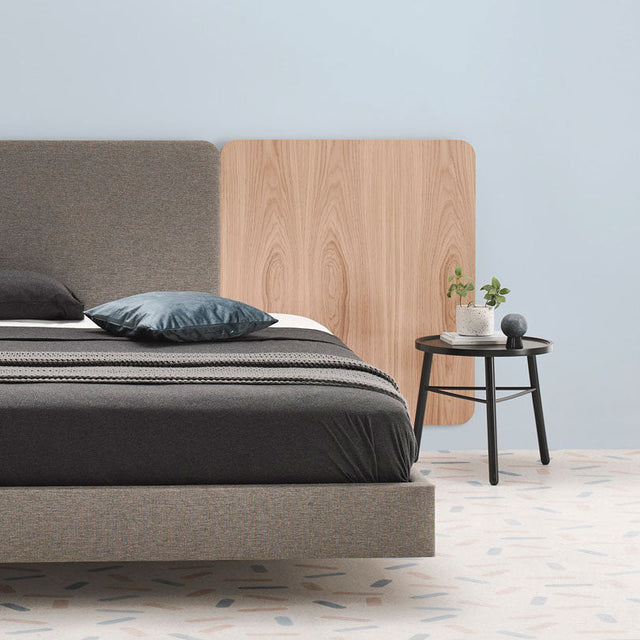
Choosing the perfect headboard for your bed goes far beyond a simple aesthetic decision. It's about finding that key piece that will define your bedroom's personality, enhance your comfort, and transform your resting space into a true sanctuary. As a specialist in handcrafted furniture, I'll guide you through everything you need to know to make the best choice, from the different types of headboards to the practical considerations that will make all the difference in your daily life.
The importance of the headboard in your bedroom
The headboard isn't just another decorative element in your bedroom. This piece serves multiple functions that directly impact your quality of life and the aesthetics of your space. A good headboard provides the necessary support when you read or watch television in bed, protects the wall from scratches and stains, acts as a sound insulator by reducing reverberation, and becomes the focal point that defines the style of the entire room.
When you invest in a quality headboard, you're investing in years of comfort and satisfaction. Handcrafted headboards, made with natural materials and traditional techniques, not only last for decades but improve with age, developing a unique patina and character that mass-produced furniture can never achieve.
Furthermore, a well-chosen headboard can solve specific problems in your bedroom. If you have a small space, you can opt for modular designs with integrated storage. If you suffer from allergies, natural and breathable materials will help create a healthier environment. If you live in a noisy area, upholstered options will act as a natural sound barrier.
Types of headboards: find your perfect style
Solid wood headboards
Solid wood headboards embody the essence of traditional craftsmanship. Made from fine woods such as oak, walnut, or sustainably sourced pine, each piece is unique thanks to the natural wood grain. These headboards bring warmth and authenticity to any bedroom, and are especially well-suited to rustic, Nordic, or contemporary styles.
Solid wood has the advantage of being extremely durable and easy to maintain. Over time, it develops a natural patina that enhances its beauty. You can choose from different finishes, from lacquers in neutral colors to natural oils that respect the wood's original texture.
For small bedrooms, wooden headboards with straight lines and light finishes help create a feeling of spaciousness. In larger spaces, you can opt for more robust designs with carved details or darker woods that add character.
Upholstered headboards
If you're looking for ultimate comfort, upholstered headboards are your best option. Made with natural fabrics like linen, organic cotton, wool, or velvet, these headboards bring softness and warmth, both visually and to the touch, to your bedroom.
Upholstered headboards are ideal if you spend time reading or watching television in bed, as they provide comfortable and ergonomic back support. The padding can range from firmer options to extra-soft upholstery, depending on your personal preferences.
A unique advantage of quality upholstered headboards is their ability to be reupholstered. This means you can completely change the look of your bedroom without replacing the entire piece, a sustainable and economical option in the long run.
In terms of maintenance, removable upholstery makes cleaning easier, which is especially important in children's bedrooms or if you have pets. For allergy sufferers, there are options with hypoallergenic fabrics and natural antimicrobial treatments.
Rattan and mesh headboards
Lattice headboards combine visual lightness with a striking presence in the bedroom. The handcrafted weave, whether made of natural fibers, rattan, or wood lattice, adds texture and dynamism to the space, becoming a decorative element in itself.
These headboards are perfect for creating relaxed and natural atmospheres, especially popular in Mediterranean, boho, or modern tropical decor. The slatted design allows air to circulate freely, which can be beneficial in warm climates or poorly ventilated rooms.
Natural rattan headboards add an organic and sustainable touch to the bedroom. Each piece has natural variations in color and texture, ensuring your headboard is truly unique. They are especially suitable for people seeking to connect with natural materials and create spaces that convey calm and well-being.
Modular headboards
The modular line represents the evolution of contemporary furniture. These systems allow you to create unique compositions that perfectly adapt to your specific needs and can evolve with you over time.
Modular headboards can incorporate various functionalities: integrated LED lighting, power outlets, storage spaces, floating nightstands, or even discreet sound systems. This versatility makes them the ideal choice for those seeking to maximize functionality without compromising on design.
A key advantage of modular systems is their adaptability. If you move house or decide to renovate your bedroom, you can reconfigure the elements to suit the new space. This makes them a smart long-term investment.
Size and proportion considerations
Headboard width
The proportion between your bed and headboard is fundamental to achieving a harmonious visual balance. As a general rule, your headboard should extend 10 to 15 centimeters beyond each side of the bed. This means that for a 150 cm bed, the ideal headboard would be between 170 and 180 cm wide.
However, this rule can be adapted to suit your bedroom style and personal preferences. In minimalist spaces, a headboard that exactly matches the width of the bed can create a cleaner, more organized look. Conversely, if you're aiming for a more dramatic effect, you can opt for headboards that significantly extend beyond the width of the bed.
For single beds of 90 or 105 cm, headboards of 110-120 cm provide a good proportion without overwhelming the space. For double beds of 135 cm, headboards of 150-160 cm offer the perfect balance between functionality and aesthetics.
Headboard height
The height of your headboard should take into account both the proportions of the room and the functionality you're looking for. In bedrooms with standard ceilings (2.5-2.7 meters), headboards 110-130 cm high provide a suitable presence without overwhelming the space.
If you have high ceilings, you can opt for more imposing headboards up to 160 cm or even higher. These tall headboards help balance the proportions of the room and can include additional decorative elements such as moldings or top panels.
For low ceilings, opt for headboards of medium height (100-110 cm) that add presence without making the ceiling appear lower. Headboards with horizontal lines or designs that are wider than they are tall can help create a feeling of spaciousness.
Thickness and depth
The thickness of the headboard affects both its aesthetics and functionality. Thicker headboards (8-15 cm) provide greater back support and have a more substantial presence in the room. They are ideal if you plan to spend time leaning against them.
Thinner headboards (3-6 cm) have a lighter, more modern look, take up less visual space, and are perfect for small bedrooms or minimalist styles. However, they sacrifice some back support.
In upholstered headboards, the thickness of the padding can vary independently of the structural thickness, allowing a light appearance to be combined with great comfort.
Materials: quality you can tell
Sustainable woods
The choice of wood is crucial for both the durability and the environmental impact of your headboard. FSC-certified wood guarantees that it comes from sustainably managed forests, respecting both the environment and local communities.
Oak is a premium choice that offers exceptional durability and beautiful grain. Its density makes it resistant to impacts and wear, while its color can range from light tones to deep browns depending on the treatment. Oak accepts both dyes and natural oils very well.
Walnut brings elegance and sophistication with its natural chocolate tones and distinctive grain. It is a fine wood that improves with age, developing a rich and deep patina. It is especially suitable for elegant and contemporary bedrooms.
Sustainable pine offers excellent value for money. Its light tones and soft grain make it perfect for Nordic or Mediterranean styles. Although it is a softer wood than oak or walnut, with the right treatments it can last for decades.
Natural fabrics
In upholstered headboards, the choice of fabric determines both the aesthetics and the durability and ease of maintenance. Linen is an extremely durable and breathable natural fiber, ideal for creating relaxed and natural environments. Its slightly irregular texture adds character and authenticity.
Organic cotton offers softness and easy care. It's hypoallergenic and perfect for people with sensitive skin. High-quality cotton retains its color and texture after multiple washes.
Natural wool provides superior thermal and acoustic insulation. It is naturally resistant to stains and odors, and regulates ambient humidity. High-quality wools like merino offer exceptional softness.
Natural velvets bring luxury and sophistication. Their rich, deep texture creates beautiful plays of light, while their density provides excellent sound absorption.
Ecological treatments
The finishes and treatments of your furniture affect both your health and the environment. Natural oils like tung or linseed oil penetrate the wood, protecting it from within, maintaining its natural breathability, and enhancing the grain.
Natural beeswax or carnauba waxes provide surface protection with a silky-smooth finish. They are easy to reapply to maintain protection over time.
Water-based dyes are an eco-friendly alternative to traditional chemical dyes. They allow you to change the color of wood without compromising its breathability or adding toxic substances to the environment.
Always avoid treatments with formaldehyde or VOCs (volatile organic compounds), especially in the bedroom where you spend many hours breathing.
Decorating styles and headboards
Nordic style
Nordic design is characterized by simplicity, functionality, and a connection to nature. Headboards in this style should have clean, straight lines and neutral colors such as white, light gray, or unstained natural wood.
Light wood headboards, especially pine or birch with natural finishes, are perfect for this style. Soft textures and upholstery in light linens or organic cottons in Nordic tones perfectly complement this approach.
Functionality is key in Nordic design, so modular headboards with integrated storage or discreet lighting systems fit perfectly. Designs should be timeless and avoid excessive ornamentation.
Mediterranean style
Mediterranean style celebrates natural materials, organic textures, and a connection to the environment. Headboards made of woven cane, rattan, or wood with pronounced grain are ideal for creating this atmosphere.
Earthy tones, beiges, ochres, and soft blues reflect the Mediterranean landscape. Headboards can incorporate these shades in stained wood or upholstered in linen or cotton in these natural colors.
Visible craftsmanship is important in this style. Handmade headboards, with small imperfections that showcase the human touch, lend authenticity and character to the space.
Contemporary style
Contemporary design is characterized by innovation, a mix of materials, and personalization. Modular headboards that combine wood, metal, and upholstery are perfect for this approach.
The colors can be bolder, including anthracite grays, deep blues, or even vibrant shades like mustard or forest green. The key is to balance these colors with neutral elements.
Integrated technology is welcome in this style. Headboards with LED lighting, wireless charging for devices, or integrated sound systems reflect modern living.
Modern rustic style
This style combines the warmth of traditional materials with contemporary lines. Solid wood headboards with finishes that highlight the natural grain are essential.
Reclaimed wood or wood treated to simulate natural aging adds history and character. Combined with metal hardware or industrial elements, they create an interesting contrast.
Upholstery in natural leathers, thick wools or linens with pronounced textures complements this style, providing comfort without losing the rustic character.
Additional features
Integrated storage
Headboards with built-in storage are especially valuable in small bedrooms or for people who value order and organization. They can include open shelves for books and decorative items, hidden drawers for personal belongings, easily accessible compartments for medications, or dedicated spaces for electronic devices.
Storage design should be both functional and aesthetically pleasing. Open shelves allow you to display decorative items but require tidiness. Hidden drawers maintain a clean look but can be less accessible for everyday use.
Consider what types of items you need to store. For books and magazines, side shelves are ideal. For medication or glasses, small drawers at the top work best. For electronic devices, compartments with cable management are essential.
Integrated lighting
Integrated headboard lighting can completely transform the functionality and ambiance of your bedroom. The LED strips concealed behind the headboard create a stylish and relaxing indirect lighting effect, perfect for nighttime activities without disturbing your partner.
Built-in reading lights provide focused light ideal for reading in bed. They should be adjustable in both direction and intensity, and preferably have warm color temperatures that won't interfere with sleep.
Smart lighting systems allow you to control the intensity and color of the light according to the time of day or activity. They can be programmed to simulate natural sunrises or create relaxing environments for bedtime.
Connectivity and technology
Modern headboards can discreetly integrate the technology you need in your daily life. Built-in power outlets eliminate visible cables and provide convenient access for charging devices. They should be located in an accessible yet unobtrusive location.
Integrated wireless charging allows you to keep your devices charged without cables. Charging surfaces can be integrated into bedside tables or directly onto the headboard surface.
Integrated sound systems, such as hidden Bluetooth speakers, allow you to enjoy music or podcasts without headphones. They should be designed so as not to compromise the aesthetics of the headboard.
Maintenance and durability
Wooden headboard care
Wooden headboards require specific care to maintain their beauty and durability for decades. Regular cleaning with a slightly damp cloth removes dust without damaging the finish. Avoid harsh chemicals that can harm the natural treatments.
For woods treated with natural oils, reapply the treatment annually or whenever you notice the wood appears dry. This process is simple and can be done at home; simply apply the oil with a soft cloth and remove any excess.
Lacquered wood requires less maintenance but may need occasional touch-ups for scratches. A professional can repair more extensive damage, restoring the headboard to its original appearance.
It protects wood from excessive humidity and sudden temperature changes. In very dry rooms, a humidifier can prevent cracking, while in humid environments, it ensures good ventilation.
Maintenance of upholstered headboards
Upholstered headboards require specific care depending on the type of fabric. Removable covers make maintenance much easier, allowing you to wash the covers according to the manufacturer's instructions.
For fixed upholstery, regular vacuuming with a soft brush removes dust and particles. Treat stains immediately with products specifically designed for the fabric type, always testing first on a hidden area.
Natural fabrics like linen and cotton can benefit from annual professional cleaning, especially in homes with pets or children. This maintains freshness and eliminates dust mites and allergens.
Protect upholstery from direct sunlight, which can fade colors. Protective covers during periods of non-use can significantly extend its lifespan.
Damage prevention
Prevention is always more effective than repair. Securely anchor your headboard to the wall to prevent movement that could cause damage. The anchors must be appropriate for the wall type and the weight of the headboard.
Avoid hitting the headboard with hard objects such as metal bed frames or other bed headboards. Corner protectors can be helpful in children's rooms.
Maintain a safe distance between the headboard and heat sources such as radiators or heaters. Excessive heat can damage both wood and fabrics.
Regularly check the anchors and hardware, especially on heavy or modular headboards. Preventive maintenance avoids accidents and more serious damage.
Installation and placement
Wall preparation
Proper installation is essential for the safety and durability of your headboard. Before installing, check the type of wall: drywall, brick, concrete, or wood, as each material requires specific anchors.
For plasterboard walls, use special wall plugs designed for this material and distribute the weight across multiple anchor points. For brick or concrete walls, chemical or expansion anchors provide maximum security.
Make sure the wall is clean, dry, and free of significant irregularities. Very uneven walls may require correction before installation.
Locate and clearly mark pipes and electrical cables before drilling. A metal detector can help you avoid costly accidents.
Tools needed
For a professional installation, you'll need specific tools. A powerful drill with bits appropriate for your type of wall is essential. Carbide-tipped drill bits are necessary for concrete and brick.
A long spirit level ensures the headboard is perfectly horizontal. Laser levels can be useful for very wide headboards or complex installations.
A structural detector helps you locate beams or studs where you can safely anchor. In modern construction, metal studs require specific drill bits and screws.
Mark the positions accurately using a pencil and ruler. Paper templates can help you visualize the position before drilling.
Installation process
Begin by measuring and marking the desired height of the headboard. Generally, the bottom edge should be between 10-20 cm above the mattress, but this can be adjusted to your preference.
Mark the anchor points according to the manufacturer's instructions. For heavy headboards, distribute the anchors evenly to distribute the weight.
Drill the holes to the exact diameter specified for the dowels. Holes that are too large will compromise the hold, while holes that are too small can split the dowels.
Install the wall plugs by gently tapping them until they are flush with the wall. Avoid hammering them in too far, as this reduces their holding power.
Position the headboard with the help of another person, especially if it is heavy or bulky. Align it with the anchor points and secure it gradually, checking that it is level.
Budget and investment
Factors that influence the price
The price of a handcrafted headboard depends on multiple factors that determine both the quality and durability of the piece. The materials are the most significant factor: fine woods like oak or walnut cost more than pine, but offer superior durability and beauty.
The complexity of the design also affects the price. Headboards with carvings, inlays, or modular systems require more manufacturing time and craftsmanship, which is reflected in the cost.
Size influences not only the amount of material but also the complexity of manufacturing and transport. Very large headboards may require special construction techniques.
Special finishes and treatments such as multiple lacquers, premium upholstery or integrated technology add value but also cost.
The Spanish artisanal origin guarantees quality and sustainability, but it implies fair labor costs and local materials that are reflected in the final price.
Value for money
A handcrafted headboard represents a long-term investment. While mass-produced options may seem more economical initially, their limited durability means they will need replacing within a few years.
Handcrafted headboards can last for decades with basic maintenance. Furthermore, their ability to be restored or reupholstered makes them an investment that maintains and even increases in value over time.
Consider the cost per year of use. A handcrafted headboard that lasts 20 years has a lower annual cost than an industrially produced one that needs replacing every 5 years.
The satisfaction and well-being that a well-made piece of furniture provides are difficult to quantify but real. The superior comfort and beauty that improves with time justify the initial investment.
Financing options
Many artisans offer flexible payment options to make their products more accessible. Interest-free installments allow you to spread out your investment without additional costs.
Some options include 3-month interest-free payments or small monthly installments with minimal interest. This makes premium headboards accessible to a wider range of budgets.
Also consider that investing in handcrafted furniture may be tax-deductible in certain situations, especially if you work from home.
Buying directly from the manufacturer eliminates intermediaries and can offer better prices than traditional stores, as well as allowing customization at no extra cost.
Current trends
Sustainability and ecological materials
Environmental awareness is transforming the furniture industry. Consumers are increasingly seeking products made with sustainable materials and environmentally friendly processes.
FSC-certified wood guarantees that it comes from responsibly managed forests. Spanish artisanal manufacturers often work with local suppliers, reducing the carbon footprint of transportation.
Eco-friendly treatments without VOCs or formaldehyde are now standard among environmentally conscious manufacturers. These products protect both your health and the environment.
The circular economy inspires modular and repairable designs. Headboards that can be updated, reupholstered, or reconfigured reduce the need for complete replacement.
Customization and modularity
Mass customization allows for the creation of unique pieces tailored to specific needs. Modular systems offer the flexibility to evolve with changing lifestyles.
Modular headboards can be expanded or reconfigured when moving, changing partners, or when tastes evolve. This adaptability makes them smart investments.
Technology allows you to visualize customizations before manufacturing. Some manufacturers offer online tools to experiment with different combinations.
Direct collaboration with artisans allows for unique modifications impossible in mass production, from specific dimensions to customized functionalities.
Technological integration
Technology is becoming increasingly discreetly integrated into furniture. Smart headboards include wireless charging, programmable LED lighting, and Bluetooth connectivity.
Home automation systems can be controlled from the headboard, integrating lighting, temperature, and entertainment into a single interface.
Health and well-being inspire technologies such as integrated air purification systems or materials with natural antimicrobial properties.
However, the trend is towards disappearing technology, integrated so subtly that it does not compromise the aesthetics or timelessness of the design.
Common mistakes to avoid
Incorrect proportions
One of the most common mistakes is choosing a headboard with proportions that are unsuitable for the bed or room. A headboard that is too small looks out of place and doesn't serve its aesthetic purpose. One that is too large can overwhelm the space.
Height is also crucial. Very low headboards in rooms with high ceilings create a visual imbalance, while high headboards in small spaces can make the ceiling appear lower.
Always consider the proportions in relation to the overall room, not just the bed. A headboard that's perfect for one bed might not work if the bedroom has specific characteristics.
Ignore functionality
Focusing solely on aesthetics without considering how you'll actually use the headboard is a common mistake. If you regularly read in bed, you need a comfortable headboard for back support. If you never use it for back support, you can prioritize the design.
The location of electrical outlets, switches, and windows affects the functionality of the headboard. A beautiful design can become impractical if it blocks important access points.
Consider your nighttime routines. If you need light to read, a headboard with built-in lighting can be more valuable than one that's purely decorative.
Low quality materials
Choosing cheap materials to save money initially often ends up being more expensive in the long run. Low-quality wood warps, cracks, or deteriorates quickly.
Synthetic upholstery can develop odors, fade, or deteriorate with use. Quality natural fabrics maintain their appearance and properties for years.
Cheap hardware and anchoring systems can fail, causing damage to both the headboard and the wall. Investing in quality components ensures safety and durability.
Improper installation
Improper installation can ruin even the best headboard. Using anchors that are unsuitable for the type of wall or the weight of the headboard compromises safety.
Failing to check for leveling during installation results in an unprofessional appearance that is difficult to correct later. Always use appropriate leveling tools.
Drilling without verifying the location of cables or pipes can cause costly damage. Invest in appropriate detectors or consult blueprints if available.
Headboards for specific needs
Children's bedrooms
Children's headboards require special considerations for safety and functionality. The materials must be non-toxic, with treatments that comply with specific regulations for children's furniture.
Safety is paramount: rounded corners, smooth surfaces without elements that could snag or cause injury. Headboards must be firmly anchored to withstand the typical active use of children.
Functionality can include storage for toys, books, or school supplies. The shelves should be deep and secure to prevent items from falling onto the bed.
The colors and designs can be more playful, but avoid very specific themes that could quickly become outdated. Neutral designs that can be personalized with accessories are more durable.
Consider headboards that can grow with your child. Modular systems allow you to add or remove elements as your child's age and changing needs change.
People with reduced mobility
Headboards for people with reduced mobility should prioritize accessibility and functionality. The height should allow easy access from a wheelchair, generally between 80-100 cm from the floor.
Integrated controls such as lighting, sockets, or communication systems should be easily accessible without the need to stretch or make complicated movements.
The materials should be easy to clean and maintain, as hygiene may require special attention. Smooth, antimicrobial surfaces facilitate daily care.
Consider integrated restraint or support systems that can assist with transfers or changes of position, always consulting with healthcare professionals.
Small spaces
In small bedrooms, the headboard should maximize functionality without visually overwhelming the space. Vertical designs with integrated storage make the best use of available space.
Light colors and light-reflecting finishes help create a feeling of spaciousness. Discreetly integrated mirrors can visually double the space.
Headboards that extend to the ceiling can make a room appear taller, especially if they incorporate indirect lighting that emphasizes the height.
Multifunctionality is key: a headboard that also serves as a desk, dressing table or storage area maximizes the use of limited space.
Combination with other bedroom elements
Nightstands
The harmony between the headboard and nightstands is essential for creating a cohesive set. If you choose a wooden headboard, nightstands in the same wood or tone create visual continuity.
For upholstered headboards, bedside tables can provide an interesting contrast with different materials such as metal, glass, or wood. The contrast should be intentional and balanced.
The height of the bedside tables should be in relation to the height of the mattress and headboard. Bedside tables that are too high or too low create a visual and functional imbalance.
If you choose a A grid headboard with a wooden frame can be complemented with small tables that maintain the natural and artisanal aesthetic.
Bedding
Bedding should complement, not compete with, the headboard. If you have a headboard with a lot of texture or color, opt for more neutral bedding that allows the headboard to stand out.
Neutral headboards offer greater flexibility to experiment with colors and patterns in your bedding. You can change it seasonally without it clashing with the headboard.
Textures should create a harmonious composition. A plain headboard pairs well with textured bedding, while highly textured headboards are balanced by smoother fabrics.
Consider the scale of the patterns. Headboards with detailed designs work best with solid-colored bedding or large prints.
Bedroom lighting
The general lighting in the bedroom should work in harmony with any lighting integrated into the headboard. Avoid competition between different light sources.
If your headboard includes LED lighting, use it as ambient lighting to complement your main lighting. Dimmers allow you to adjust the intensity depending on the activity.
For headboards without integrated lighting, consider side wall lights that provide reading light without taking up space on bedside tables.
The color temperature should be consistent. Warm lights (2700-3000K) are more relaxing for the bedroom and promote rest.
Wall decoration
The headboard can be the only decorative element on the wall or part of a larger composition. If it's very striking, it may not need additional decoration.
For more discreet headboards, you can add art or photographs to the side, keeping the headboard as the central focal point.
Strategically placed mirrors can visually expand the space and reflect natural light, complementing upholstered headboards especially well.
Avoid overloading the wall. The headboard already provides significant visual weight, so less can be more in terms of additional decoration.
Case studies and real-world examples
Small bedroom transformation
A 10-square-meter bedroom can be completely transformed with the right choice of headboard. In a recent project, a The 180cm modular headboard with integrated storage solved multiple needs in a limited space.
The headboard included side shelves for books, hidden drawers for extra bedding, and integrated LED lighting that eliminated the need for table lamps. The white color and clean lines kept the space visually uncluttered.
Functionality was enhanced without sacrificing style. Shelves provided space for personal items and plants, while drawers maintained visual order. Integrated lighting created ambiance without taking up any surface area on the side tables.
The result was a bedroom that looked bigger and functioned better, demonstrating how a well-chosen headboard can be the solution to multiple spatial problems.
Mediterranean style master bedroom
For a 20 square meter master bedroom with sea views, a A headboard made of natural rattan that connects with the natural surroundings. The organic texture of the rattan adds warmth and authenticity without competing with the views.
The sustainably sourced pine frame was treated with natural oil that enhanced the wood grain, creating a piece that will only improve with age. Its 140cm height provided a sense of presence without blocking natural light from the windows.
The combination with white linen bedding and light wood bedside tables created a relaxed and sophisticated atmosphere. The absence of technological elements reinforced the connection with nature.
This project demonstrated how a headboard can be the element that completely defines the character of a space, creating atmosphere through natural materials and textures.
adaptable youth bedroom
For a youth bedroom that needed to evolve from childhood to adolescence, a modular system was designed that would allow changes without completely replacing the furniture.
The light wood headboard with interchangeable panels allowed for immediate and future customization. The initial panels in soft colors can be replaced with more sophisticated options as tastes evolve.
Integrated storage grew with needs: initially for children's toys and books, then for school supplies, and finally for teenagers' personal belongings.
The programmable LED lighting was adapted to different uses: soft light for stories, functional lighting for studying, and a customizable ambiance for relaxing.
Sustainability and responsibility
Environmental impact
Choosing a handcrafted Spanish headboard has a significantly lower environmental impact than imported options. Proximity manufacturing drastically reduces transportation emissions, while local materials support the regional circular economy.
Sustainably managed Spanish forests guarantee that every tree used is replaced with new saplings. FSC certifications ensure that the processes respect both the ecosystem and local communities.
Eco-friendly treatments without VOCs or formaldehyde protect the indoor air quality of your home. This is especially important in bedrooms where you spend long hours breathing.
The superior durability of handcrafted furniture means fewer replacements throughout its lifespan, significantly reducing the overall environmental impact of your furnishings.
Local economy
Buying handcrafted Spanish headboards directly supports local artisans, carpenters, and small businesses. Every purchase helps keep alive the artisanal traditions and woodworking techniques passed down through generations.
Local manufacturers often have direct relationships with sawmills and suppliers in the region, creating short supply chains that benefit the entire community.
Investing in local crafts ensures that these skills are passed on to future generations, keeping the region's cultural and technical heritage alive.
The jobs created are high-quality, specialized, and difficult to relocate, contributing to local economic stability.
Product life cycle
A handcrafted headboard is designed to last for decades with basic maintenance. At the end of its lifespan, the natural materials are biodegradable or recyclable, closing the loop sustainably.
Upholstered headboards can be reupholstered multiple times, significantly extending their lifespan. Solid wood frames can be professionally restored to their original condition.
If you eventually need to replace the headboard, the materials can be reused for other woodworking projects or as energy biomass, preventing them from ending up in landfills.
This design philosophy for durability contrasts with the planned obsolescence of many industrial products, representing both an economic and ethical investment.
Final conclusions and recommendations
Summary of key points
Choosing the perfect headboard requires balancing multiple factors: aesthetics, functionality, budget, and sustainability. Natural materials and handcrafted manufacturing offer significant advantages in durability, health, and environmental impact.
Proportions are key: a headboard should harmonize with both the bed and the overall bedroom space. Functionality should align with your actual routines and needs, not just with aesthetic trends.
Investing in quality translates into long-term satisfaction. A well-chosen and crafted headboard can last for decades, improving with age rather than deteriorating.
Steps to make the decision
Start by assessing your space: measure carefully and consider ideal proportions. Analyze your lifestyle: do you read in bed? Do you need storage? Do you value integrated technology?
Define your budget by considering the cost per year of use, not just the initial price. A handcrafted headboard can be more economical in the long run than cheap options that require frequent replacement.
Visit showrooms whenever possible to touch materials and assess quality. The tactile experience is essential for making an informed decision about something as personal as bedroom furniture.
Consult with artisans about customization options. Many specific needs can be met with minor modifications that don't significantly increase the cost.
Long-term investment
A handcrafted headboard is an investment in your daily quality of life. Every night for years, you'll experience the comfort, beauty, and functionality of your chosen piece. This daily satisfaction more than justifies the initial investment.
Quality headboards maintain and even increase in value over time. Fine materials and craftsmanship are appreciated, especially in a market increasingly saturated with low-quality, mass-produced goods.
The sustainability of your choices contributes to a better future for generations to come. Choosing local, durable, and responsibly sourced products is one way to exercise your responsibility as a conscious consumer.
Finally, the satisfaction of owning something unique, made specifically for you by expert artisans, provides an emotional value that is impossible to quantify but real in your daily experience.
Outcome
Choosing the perfect headboard for your bed is a decision that will impact your daily life for years to come. As you've seen throughout this analysis, it goes far beyond selecting a decorative element: you're choosing comfort, functionality, sustainability, and a lifestyle.
Handcrafted Spanish headboards represent the best possible investment: they combine tradition and innovation, beauty and functionality, environmental responsibility, and support for the local economy. Each piece is unique, made specifically to meet your needs and tastes.
Don't underestimate the transformative power of a good headboard. It can turn an ordinary bedroom into a personal sanctuary, solve space and storage problems, improve your nighttime comfort, and reflect your personality and values.
The initial investment in quality translates into years of daily satisfaction. Every time you enter your bedroom, every night when you go to bed and every morning when you wake up, you'll experience the difference that comes from making conscious and discerning choices.
Your perfect headboard is waiting for you. You just need to apply what you've learned, assess your specific needs, and make an informed decision that will transform your sleeping space into the sanctuary you deserve.
To discover unique options that combine traditional craftsmanship with contemporary design, explore our collection of Handcrafted upholstered headboards , where you'll find the perfect piece to create the bedroom of your dreams.
0 Comments
There are no comments for this article. Be the first one to leave a message!